Project
Beautiful Places. Ugly Pictures?
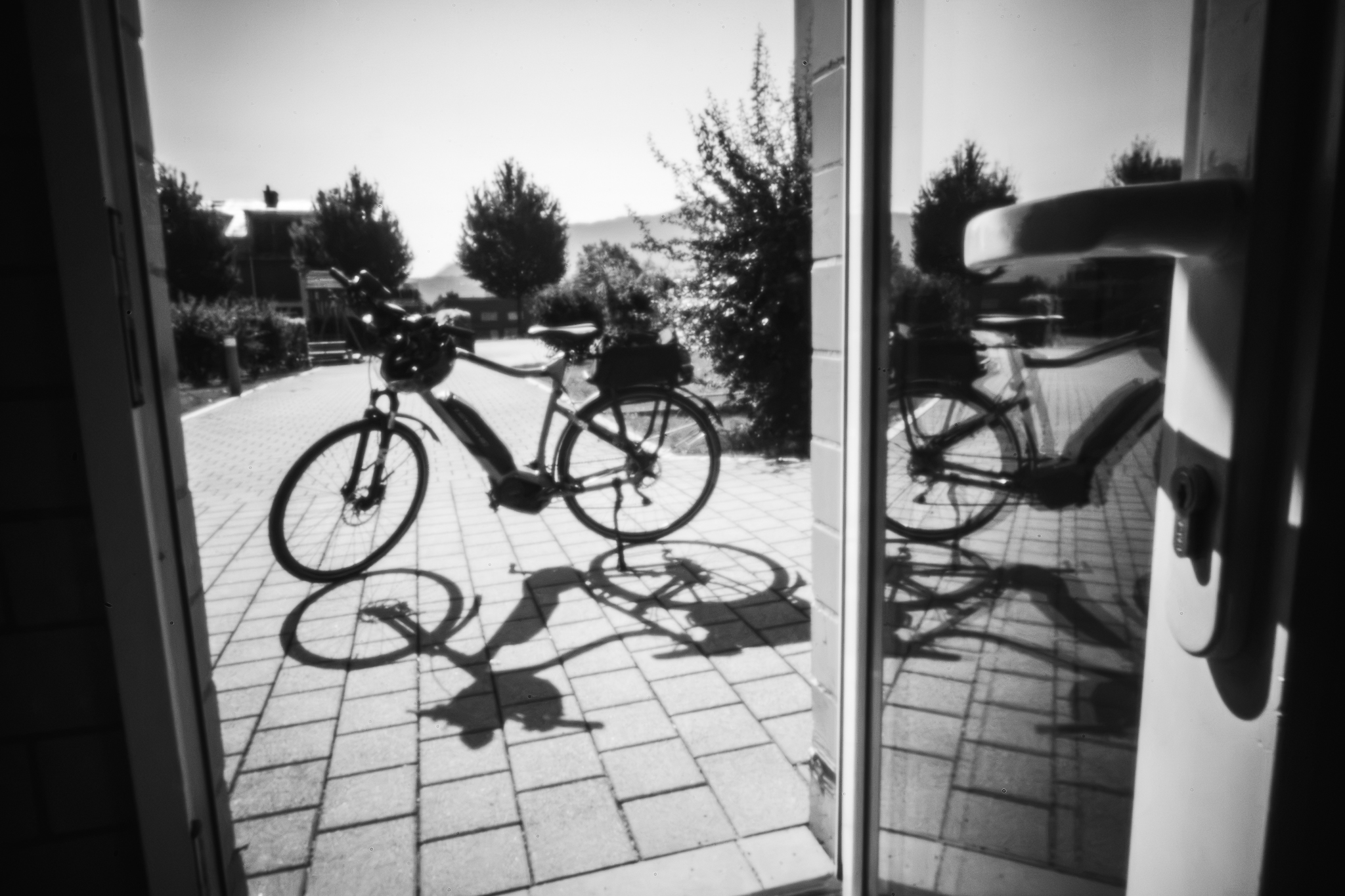
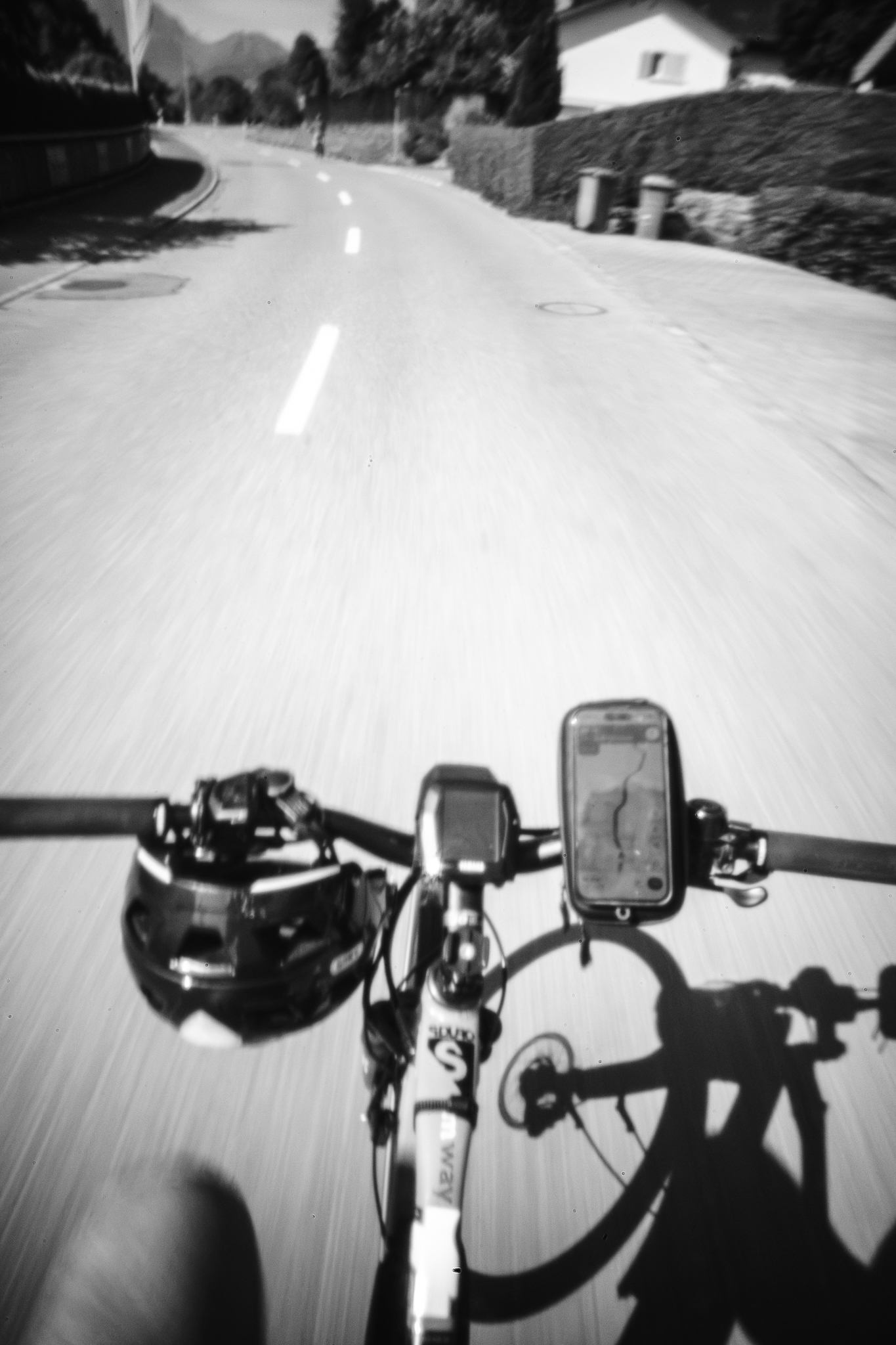
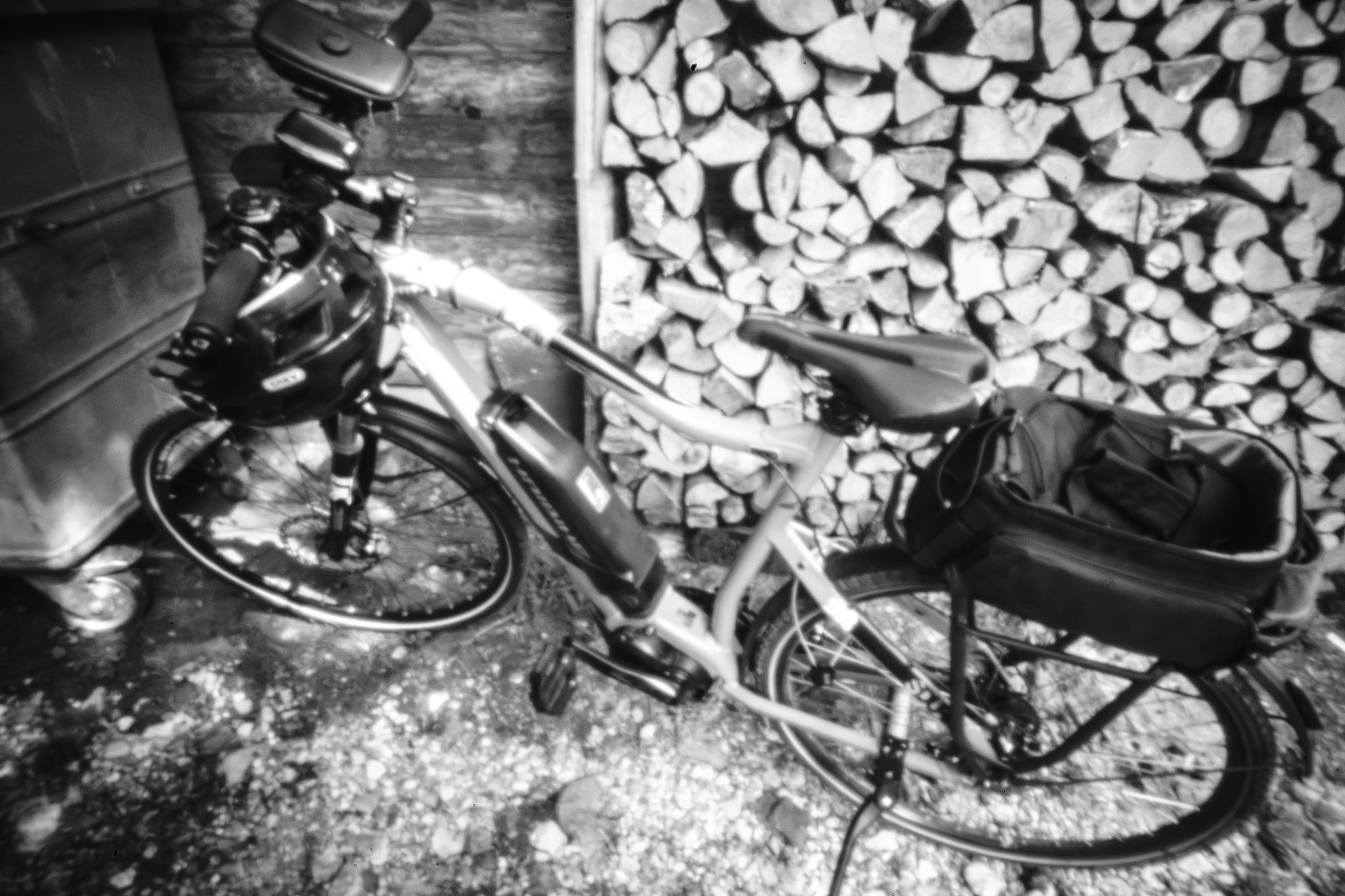
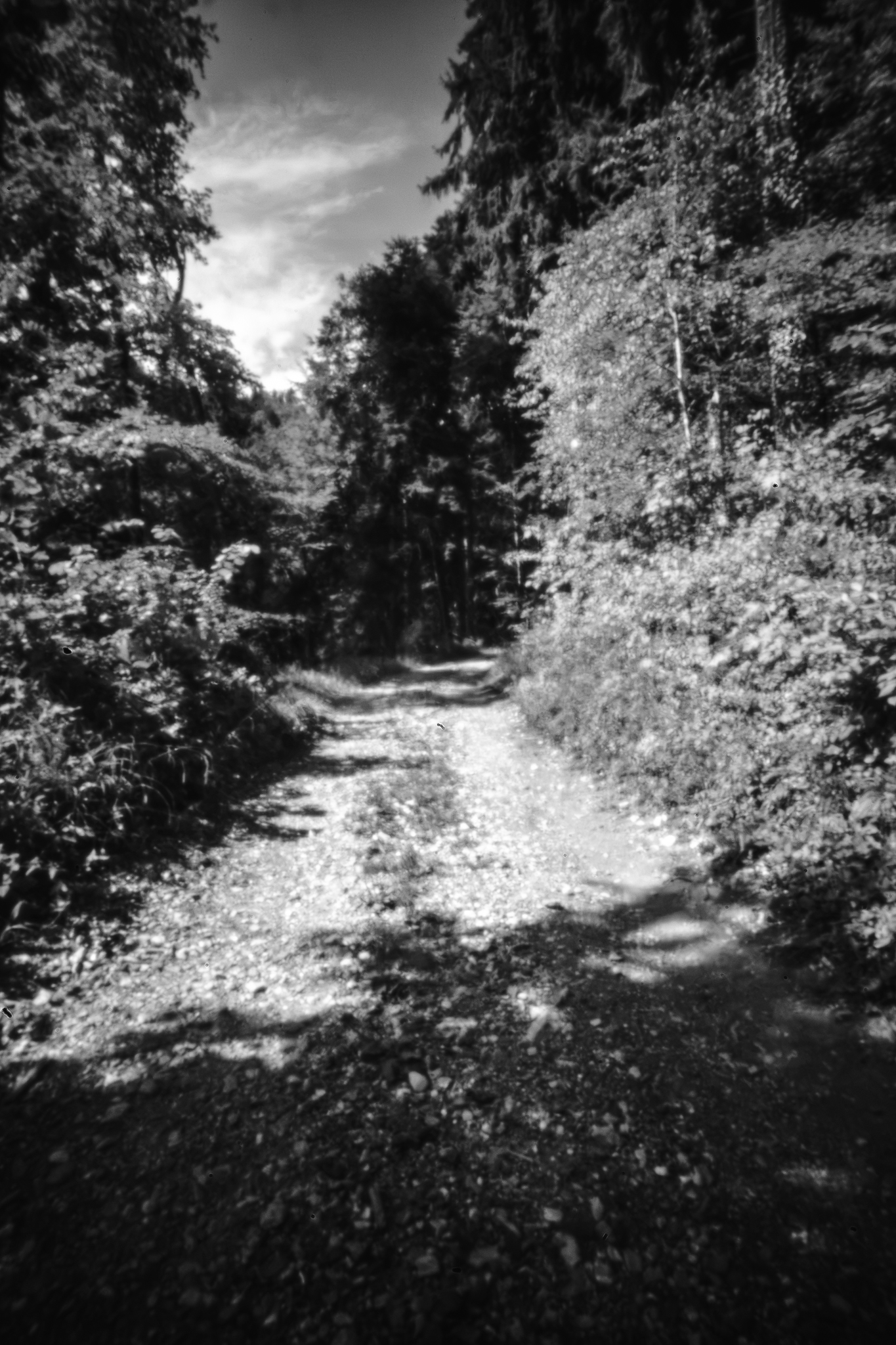
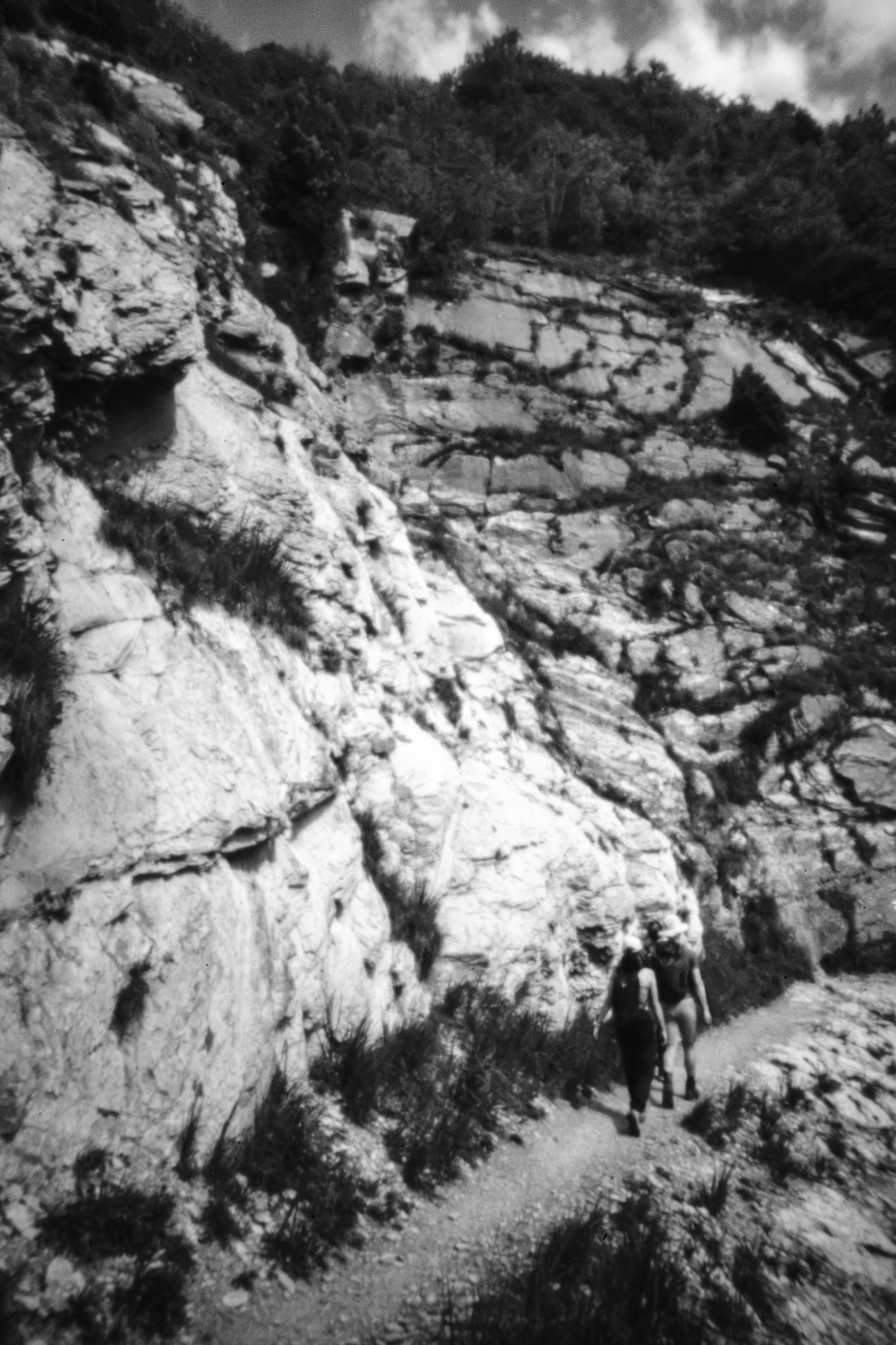
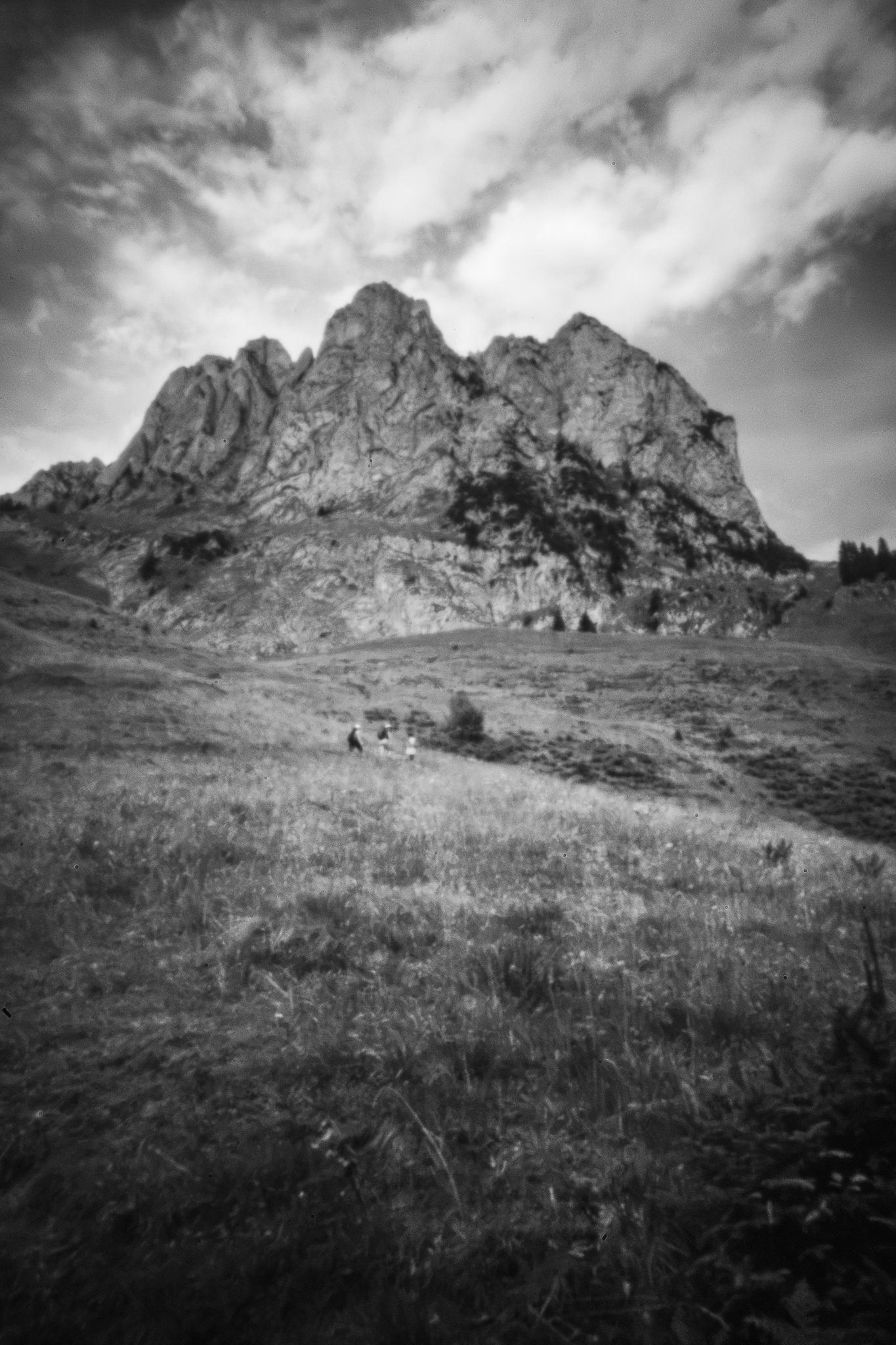
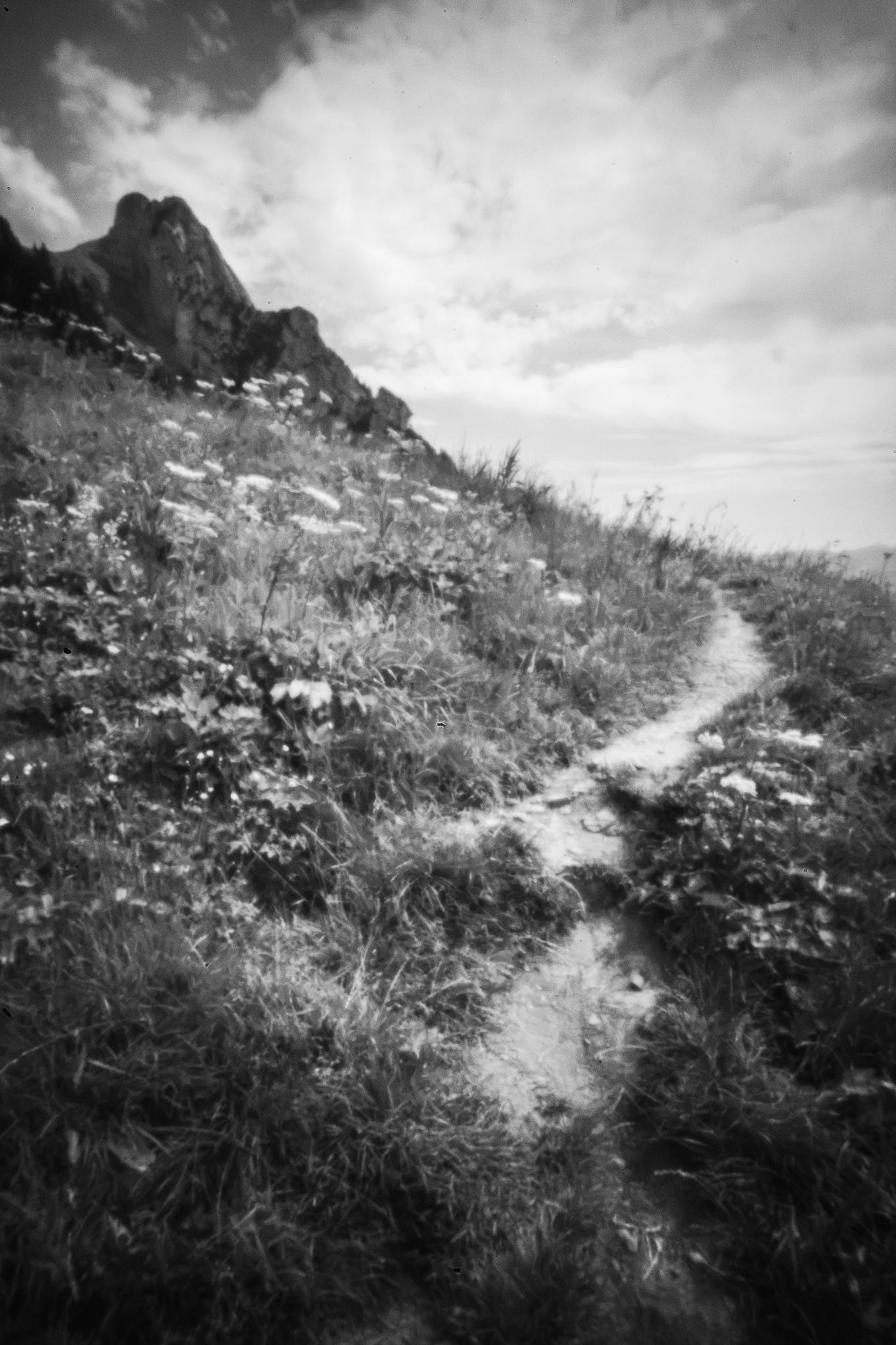
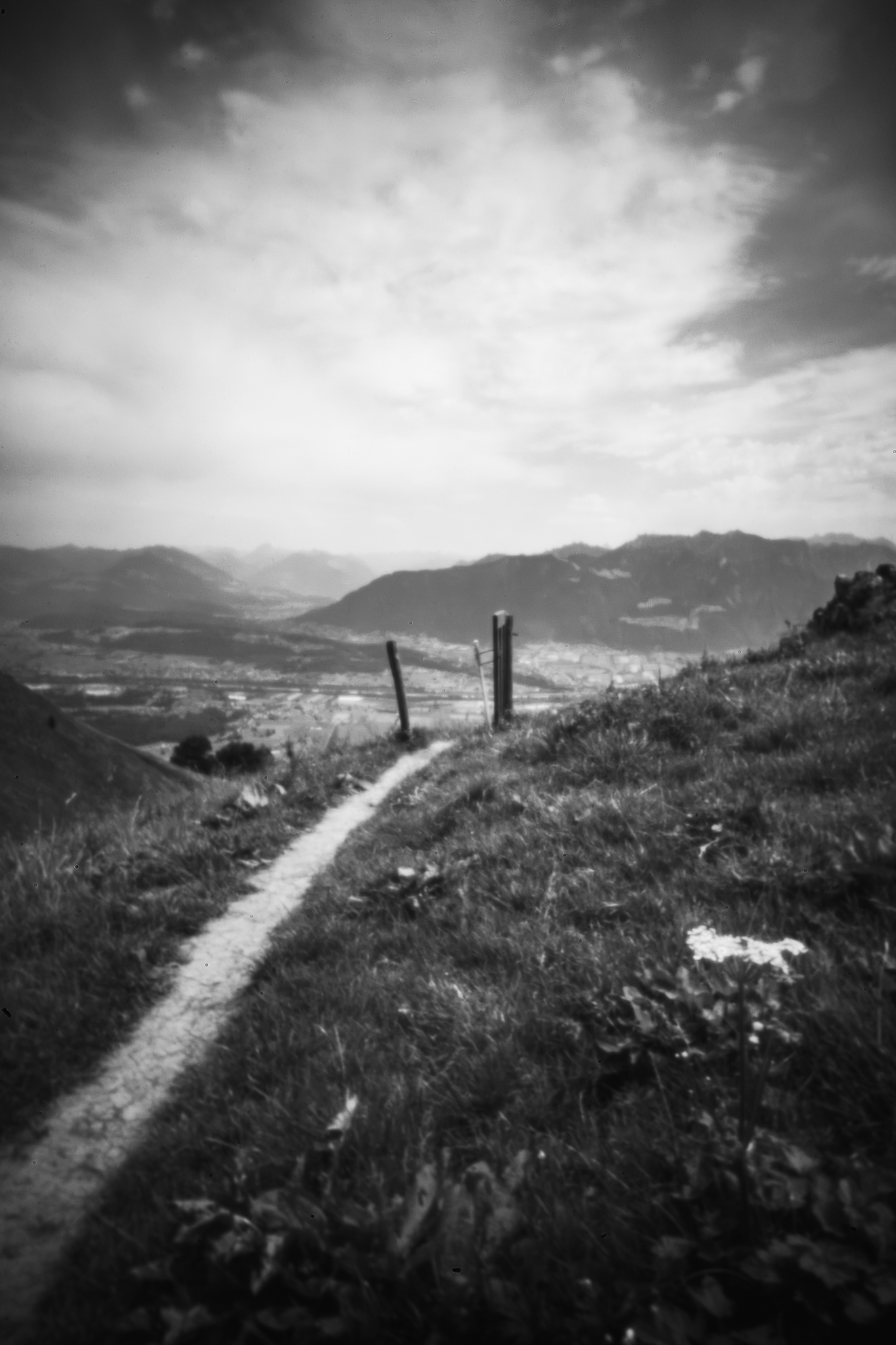
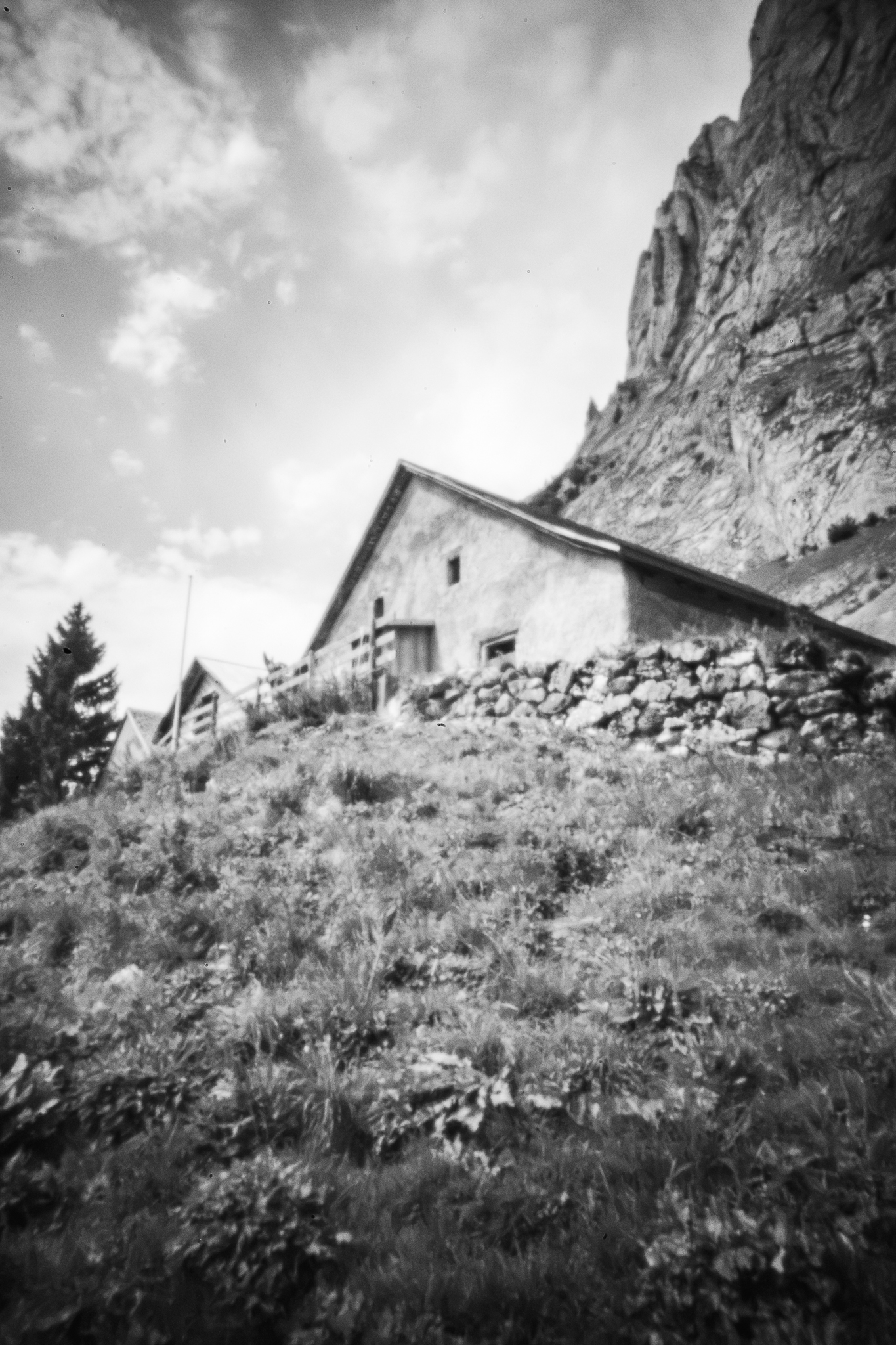
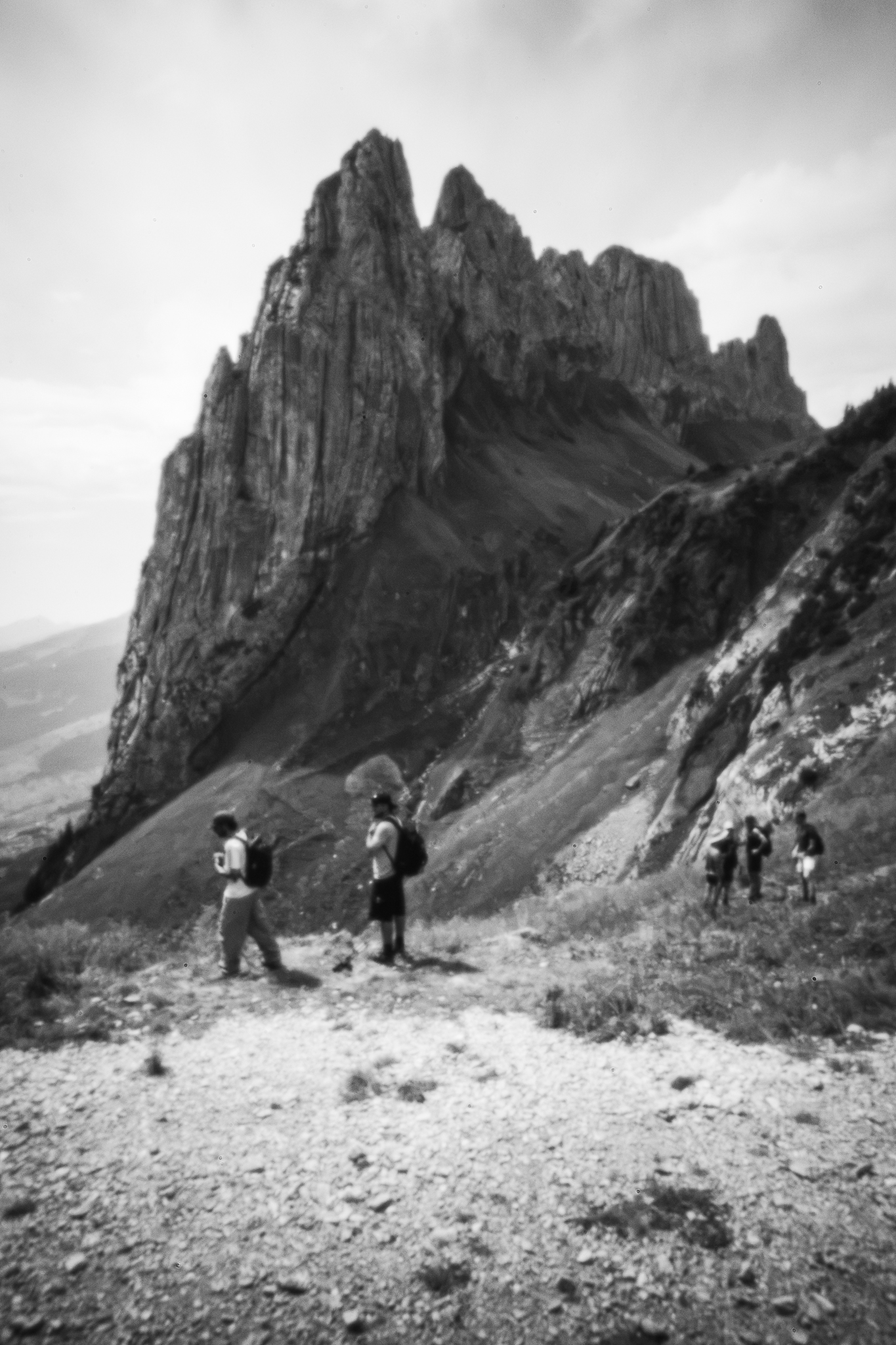
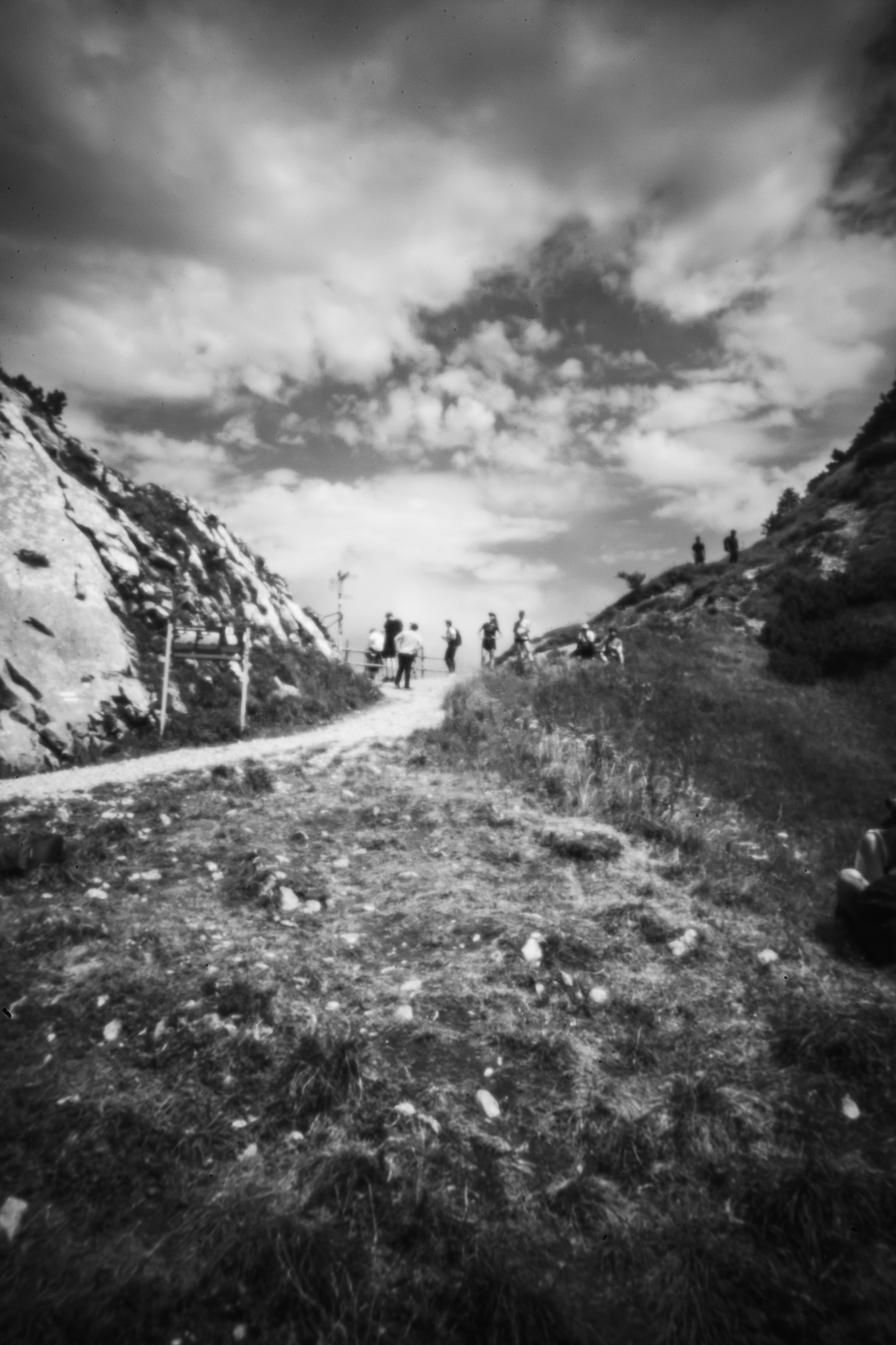
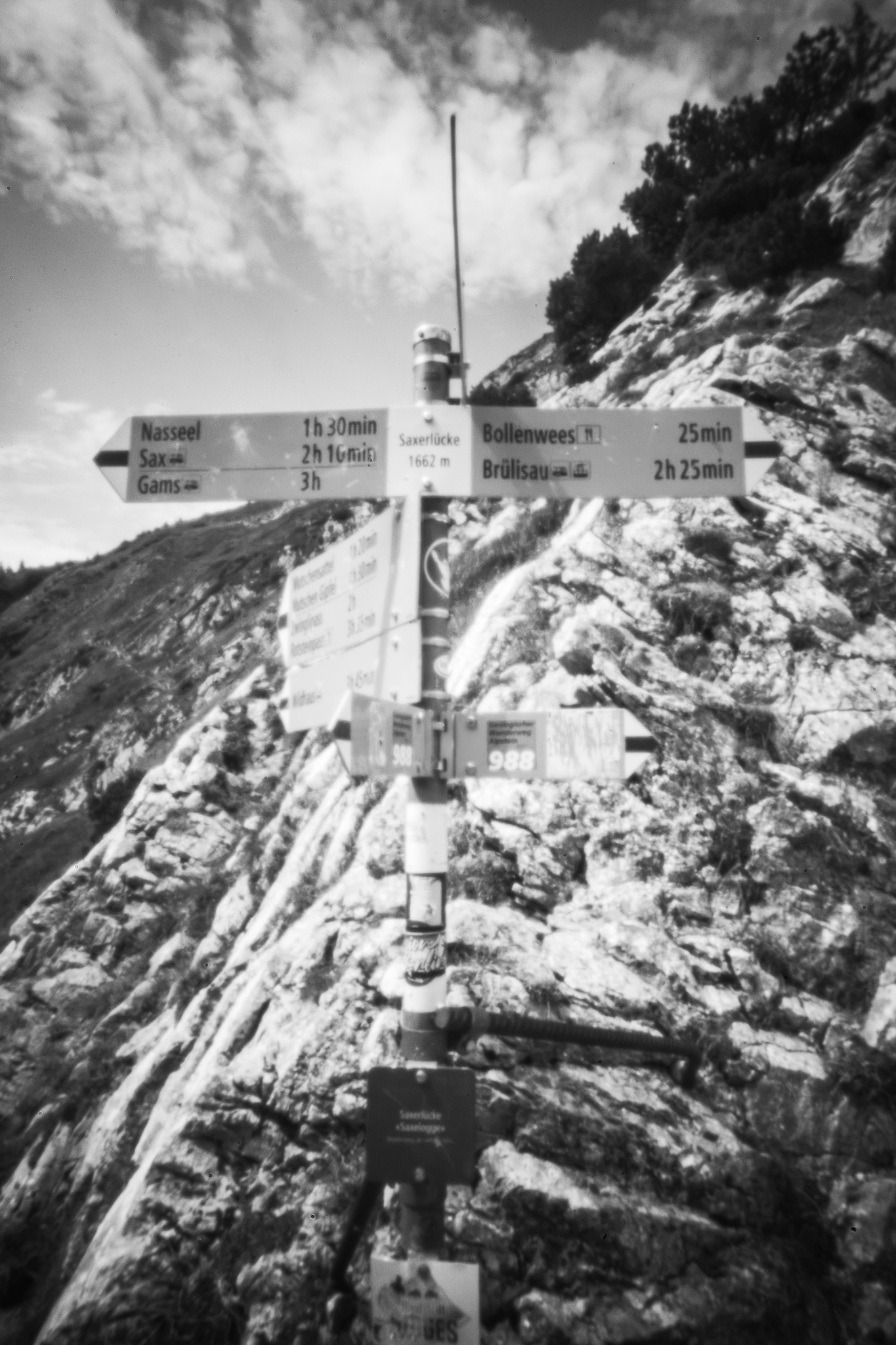
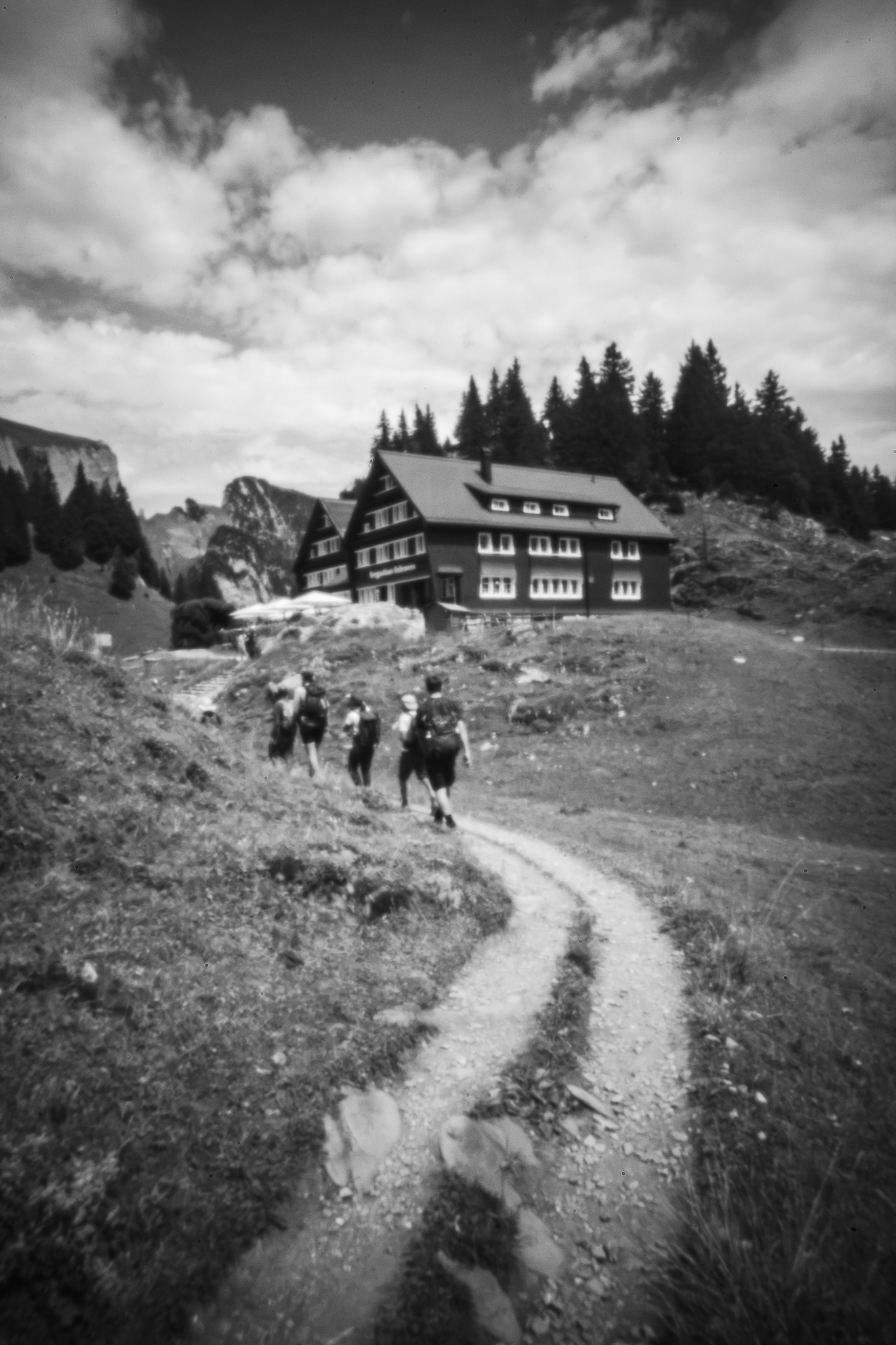
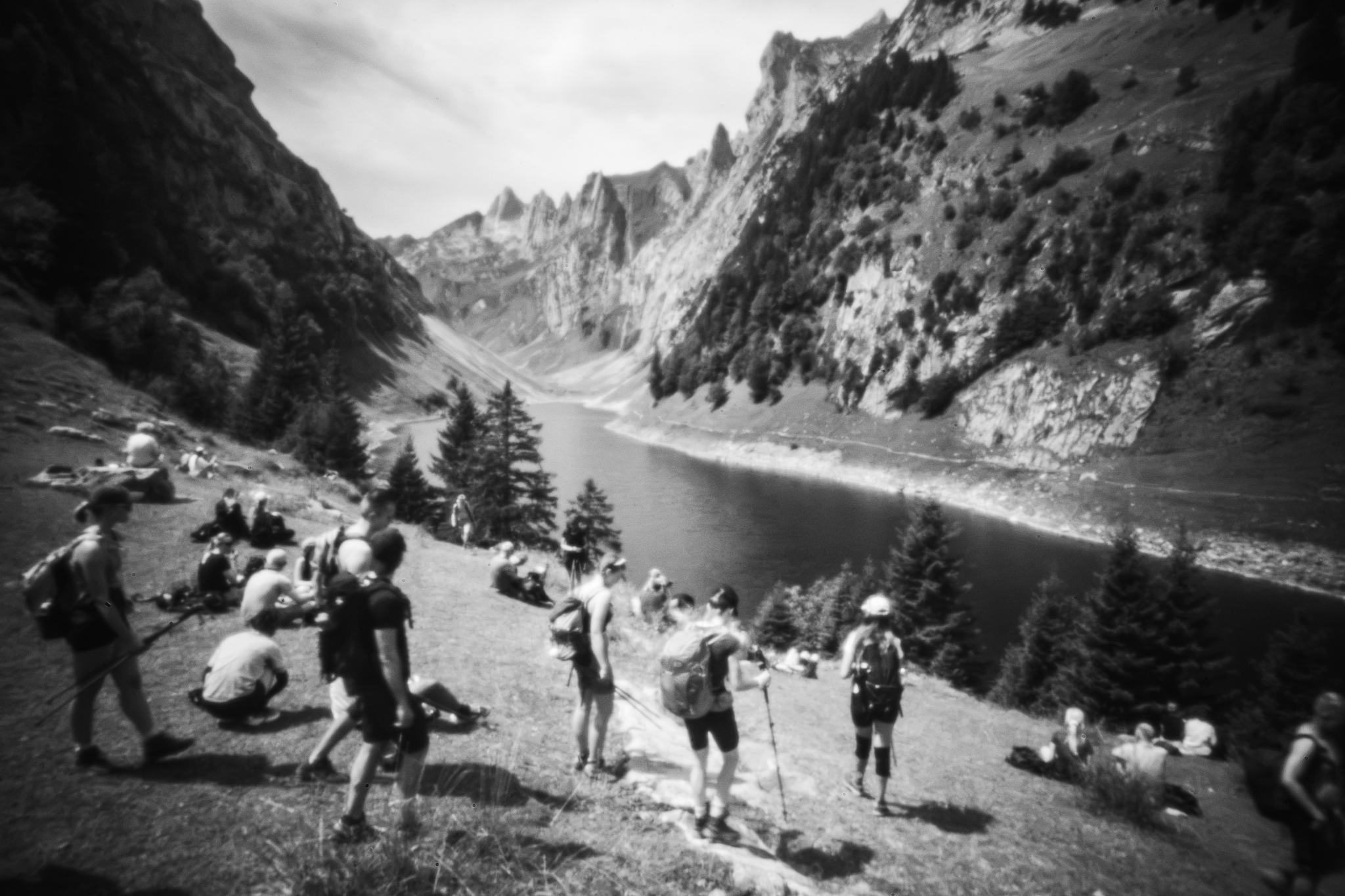
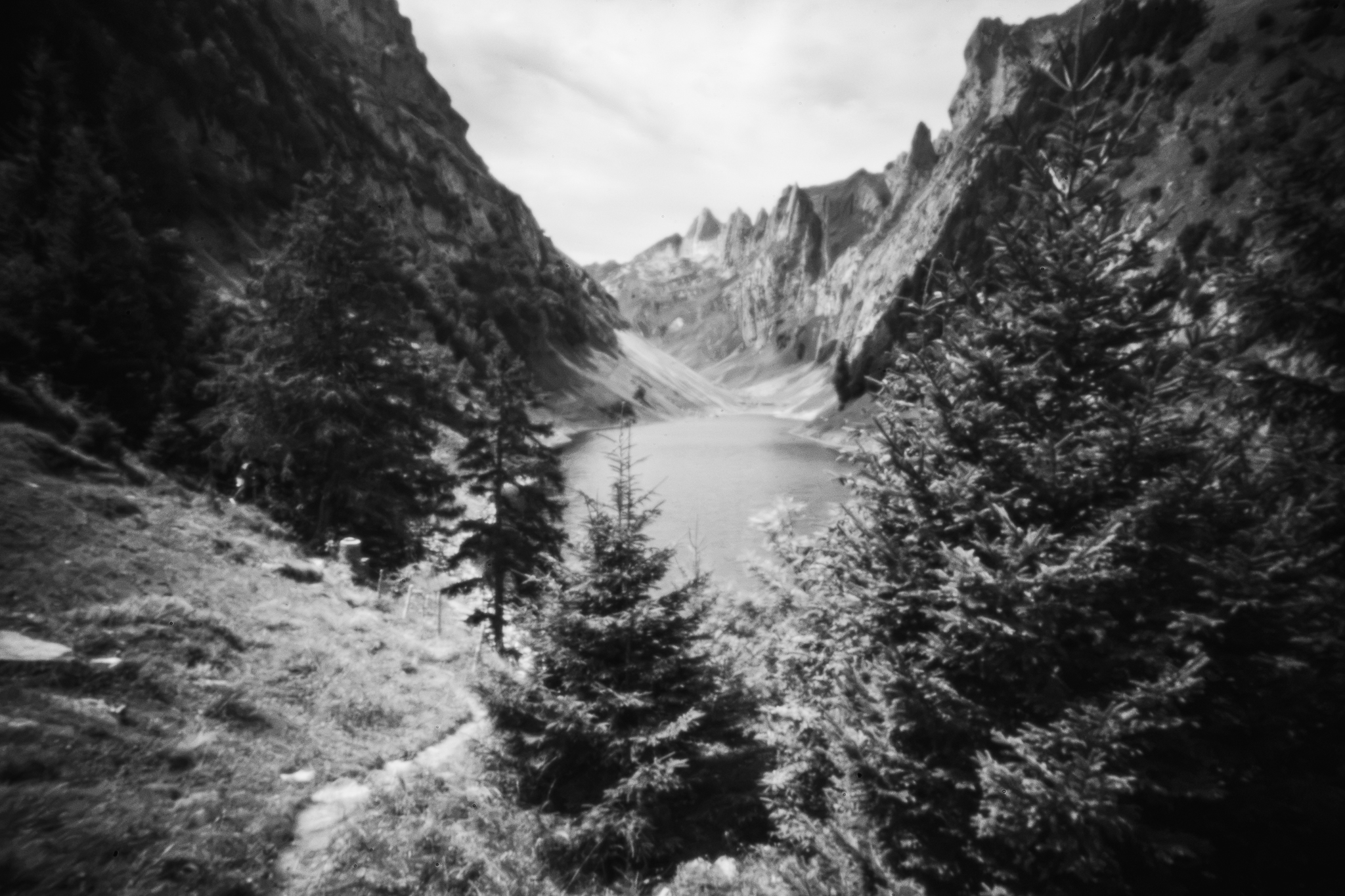
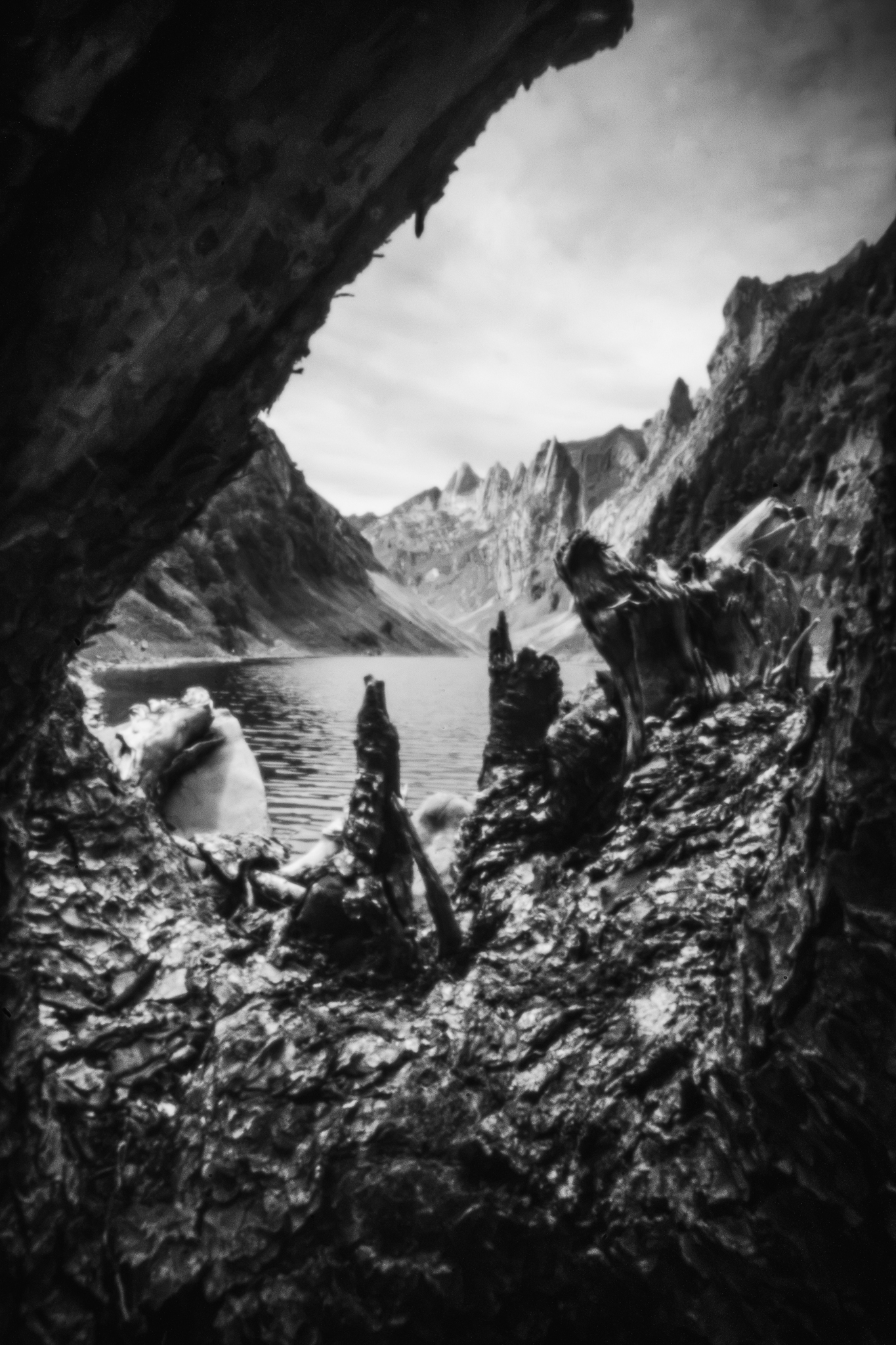
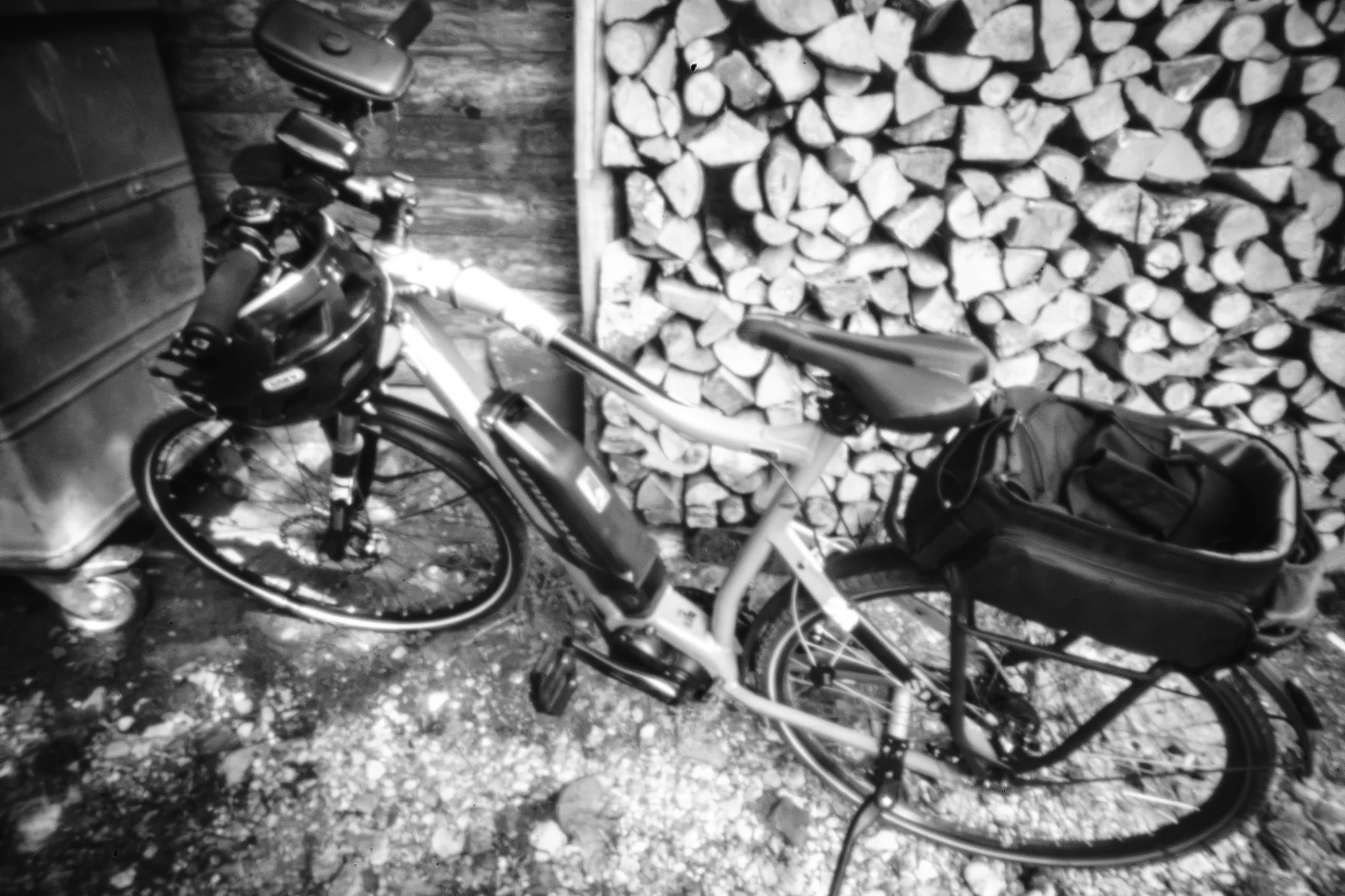
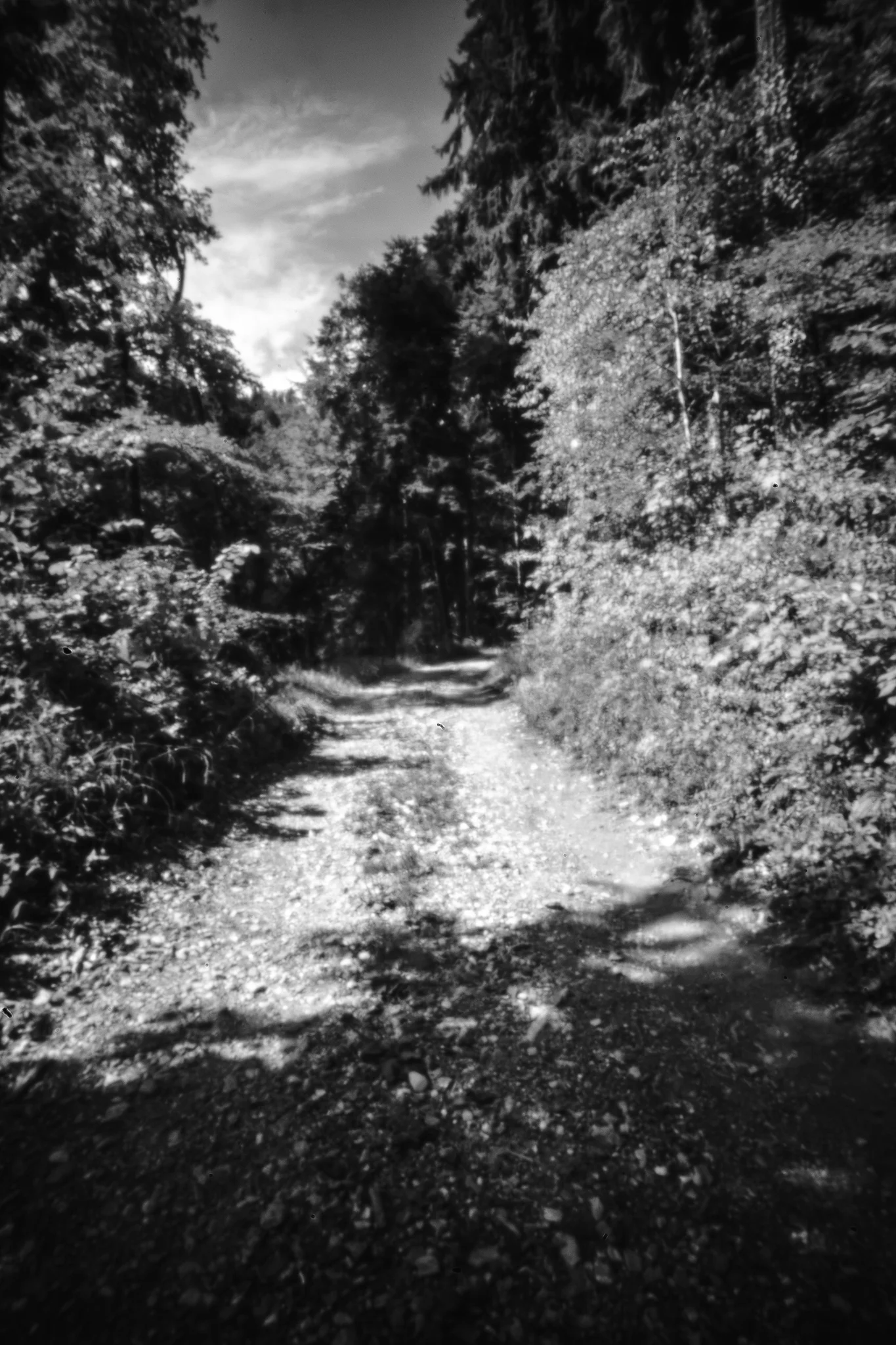
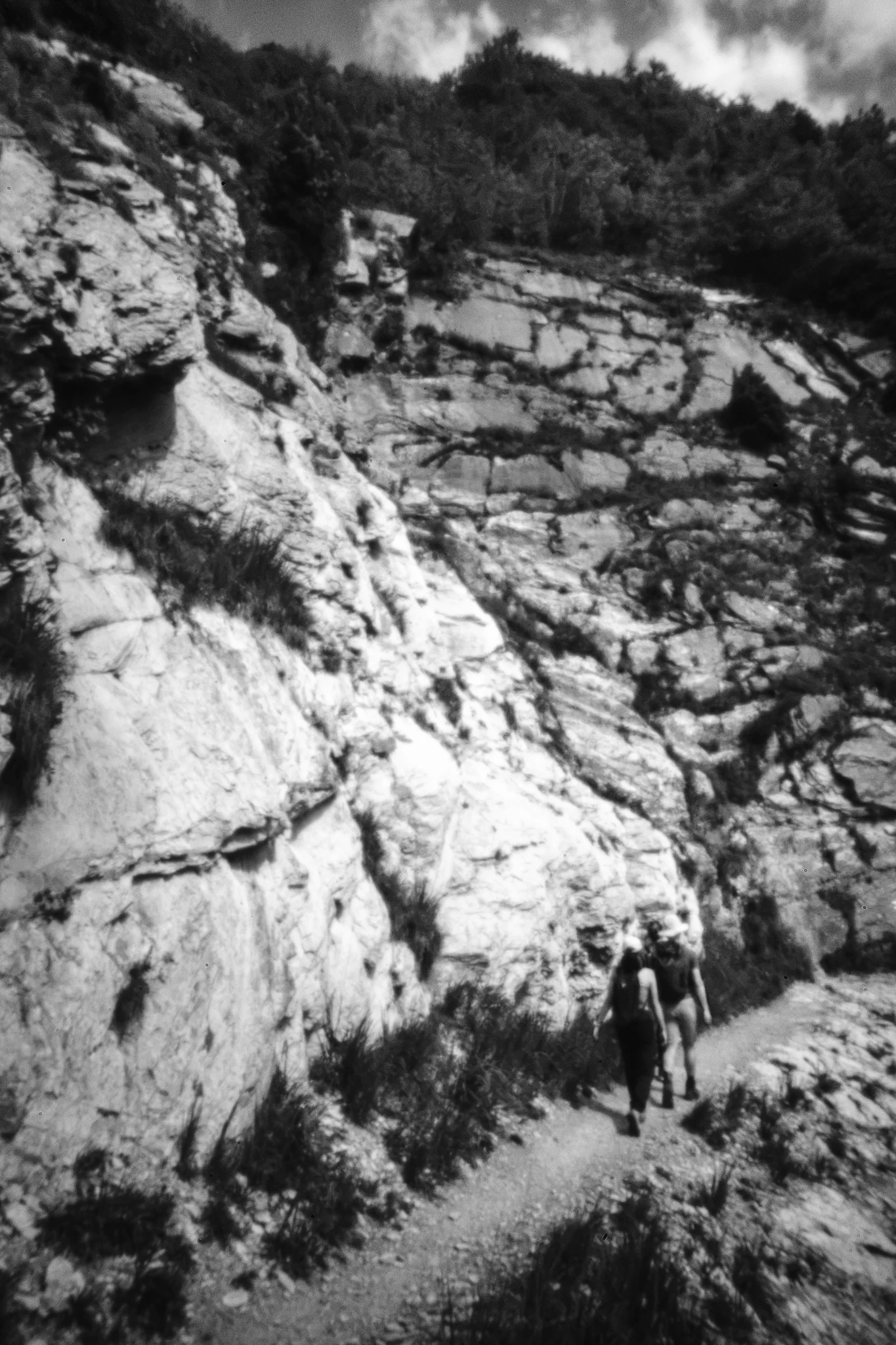
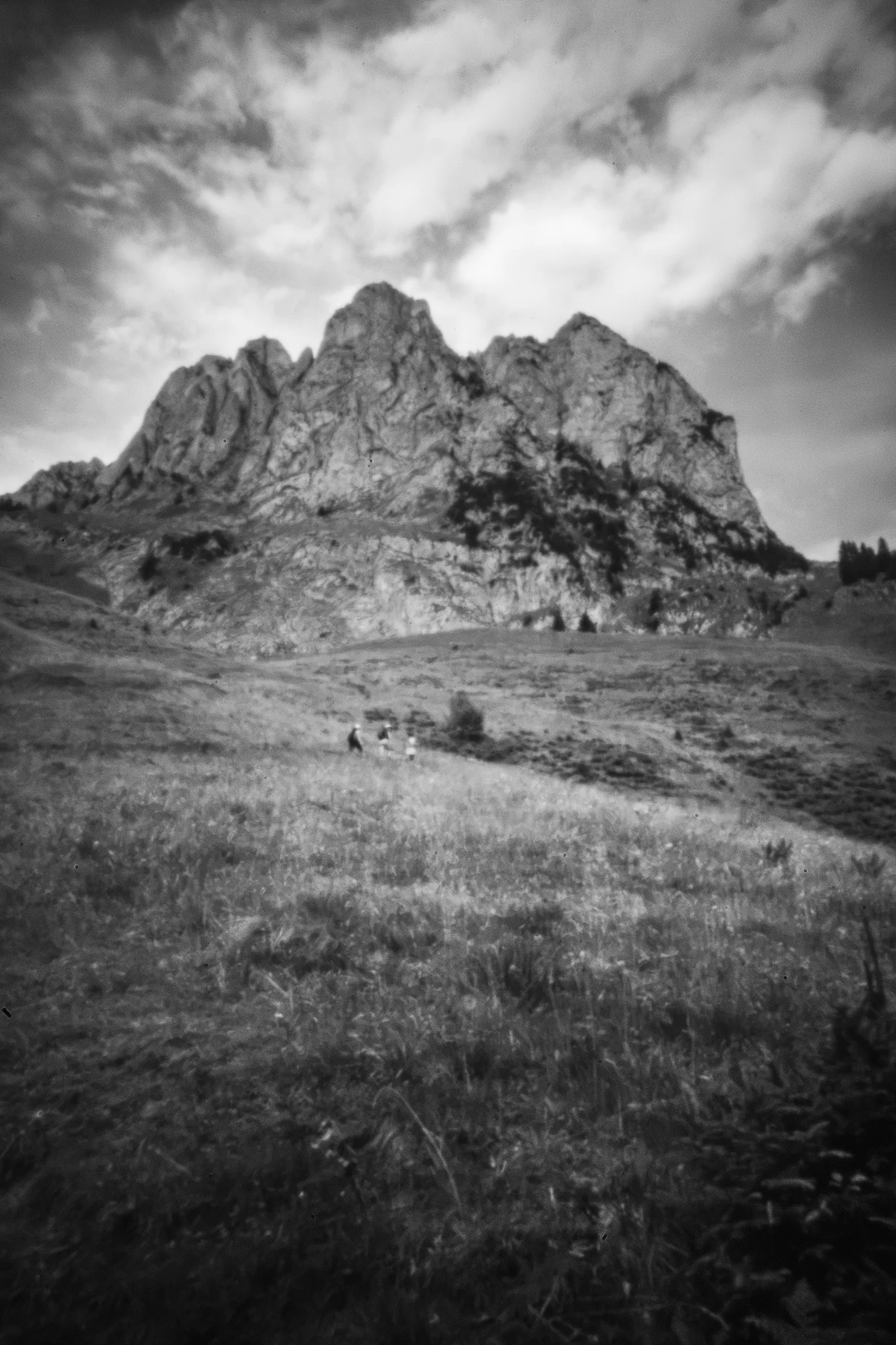
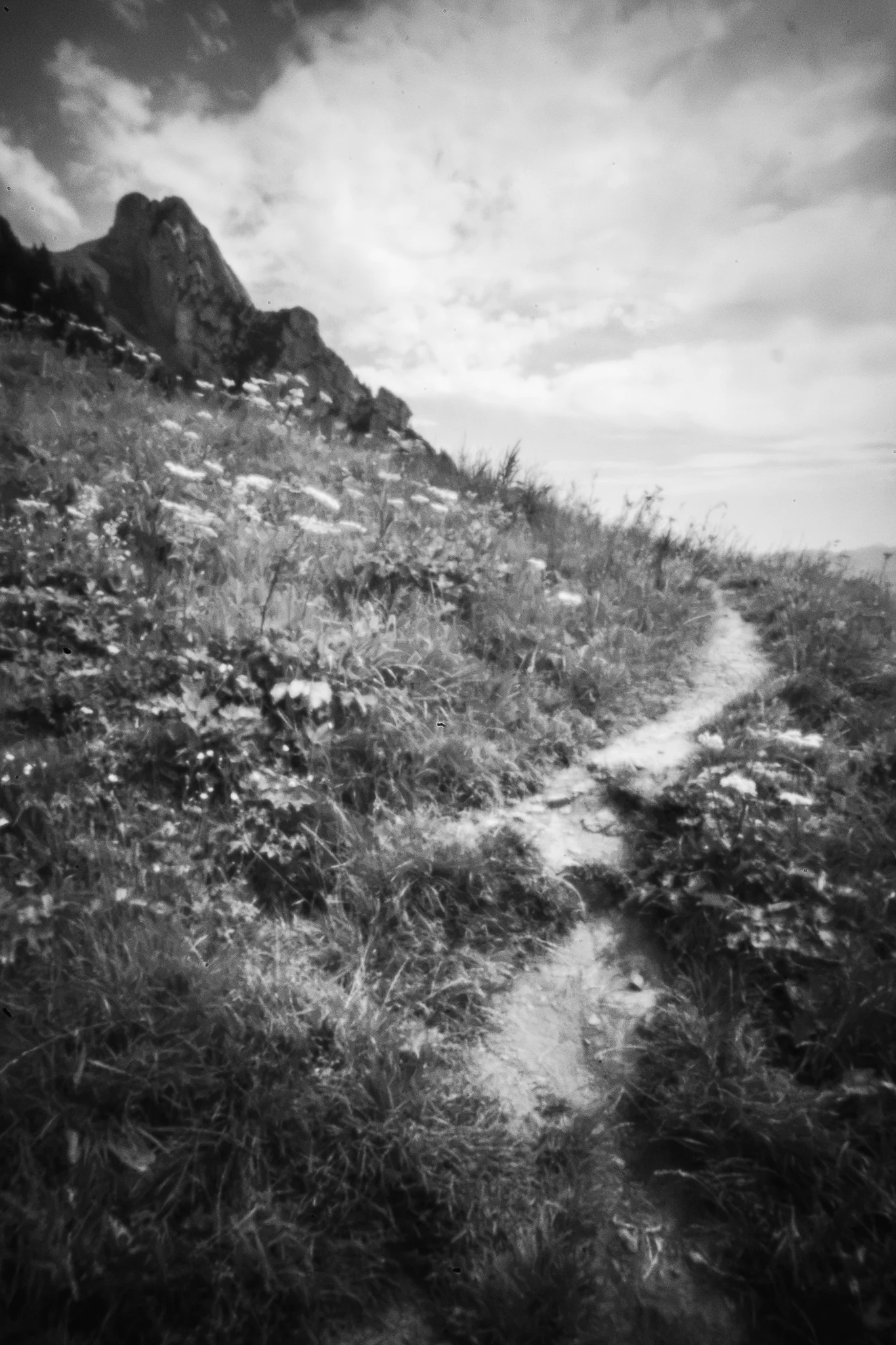
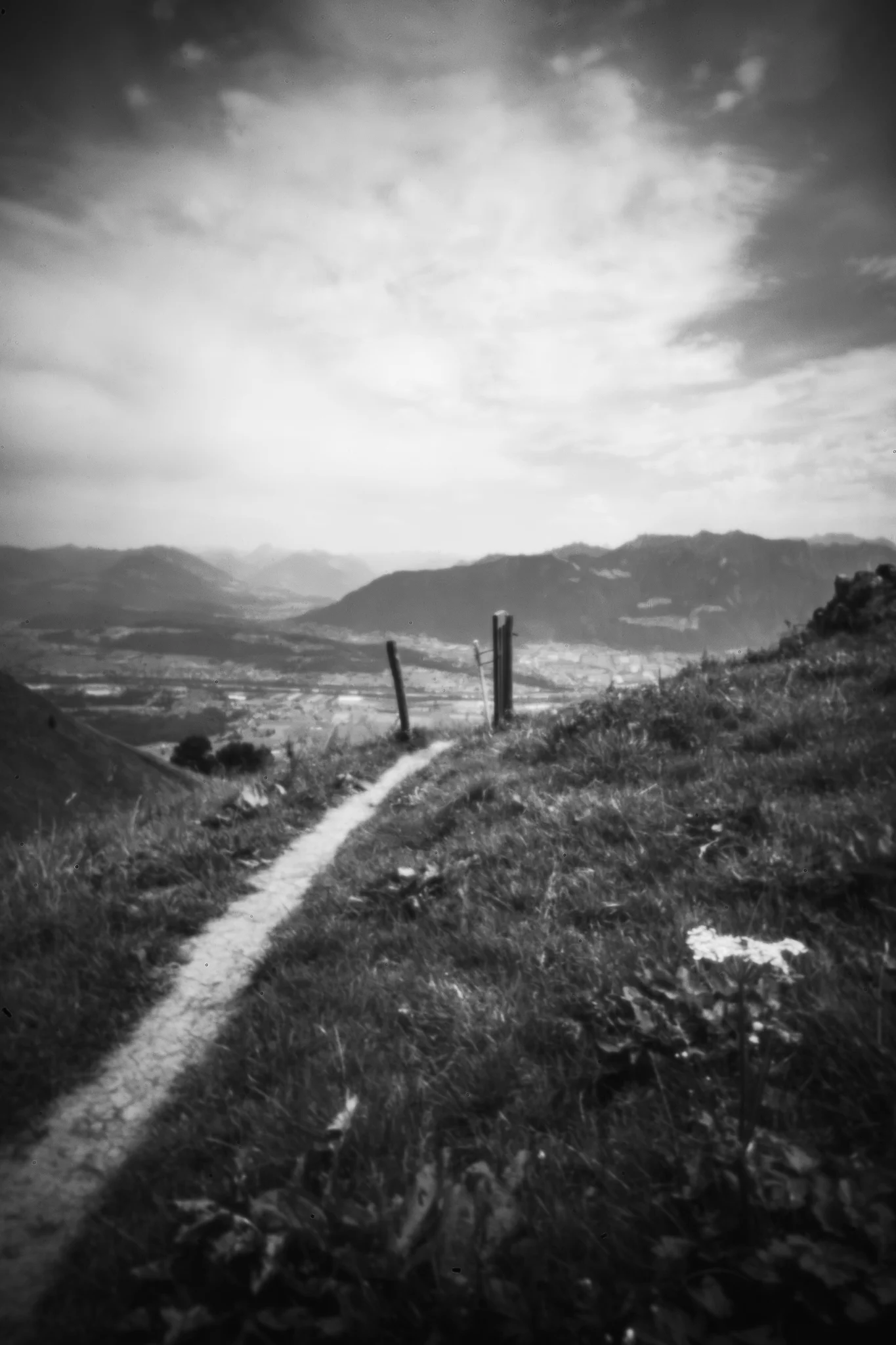
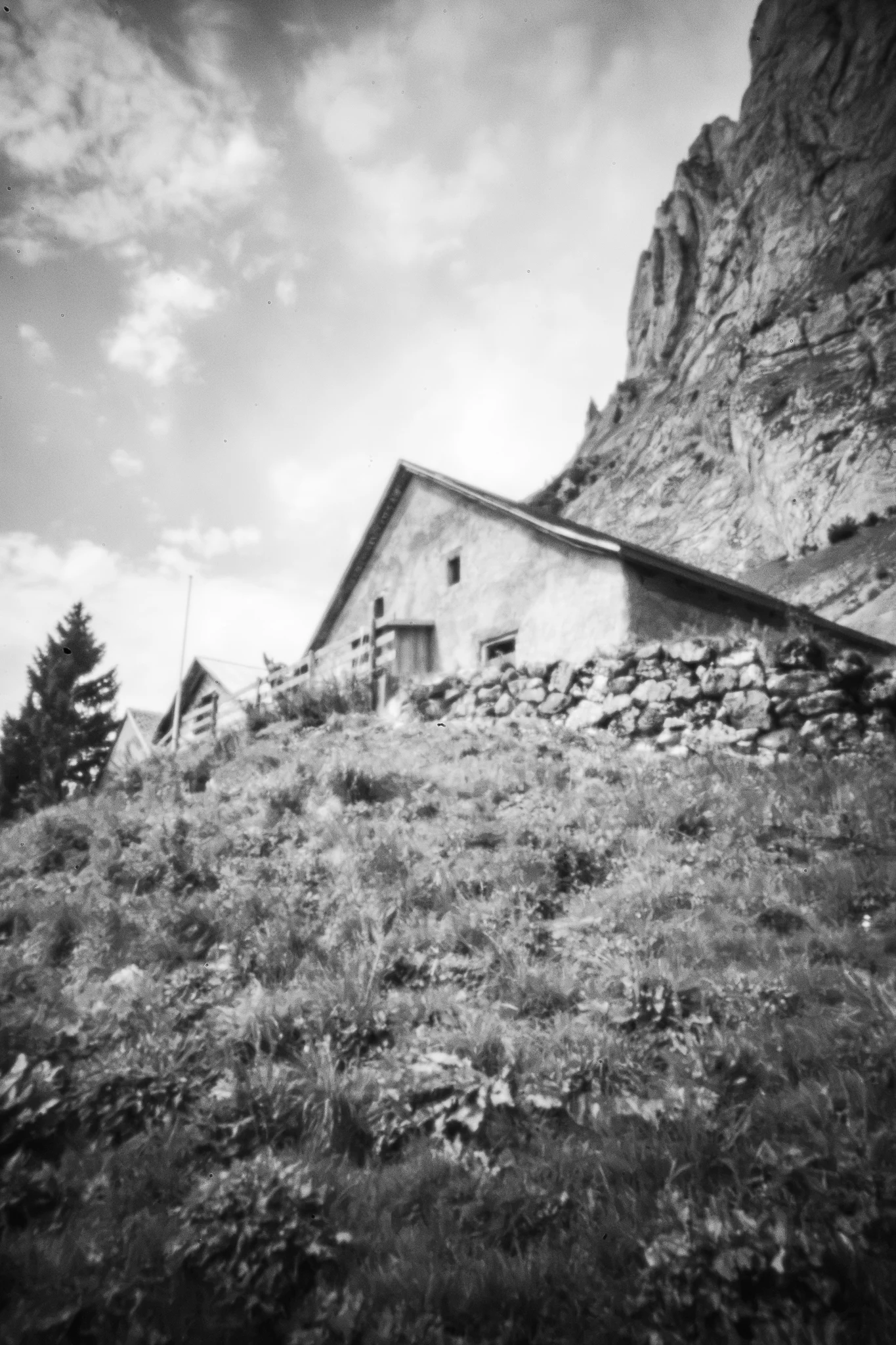
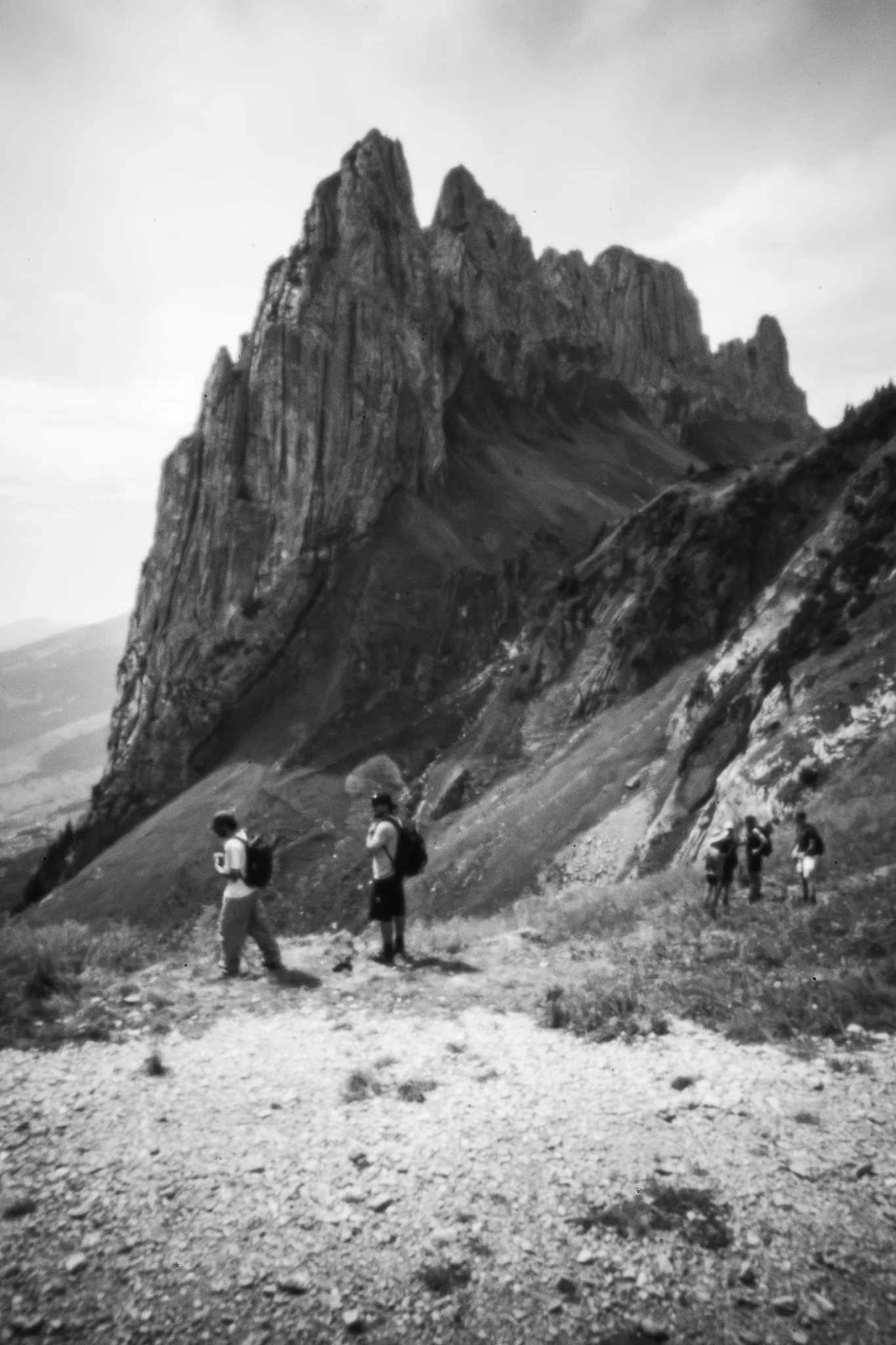
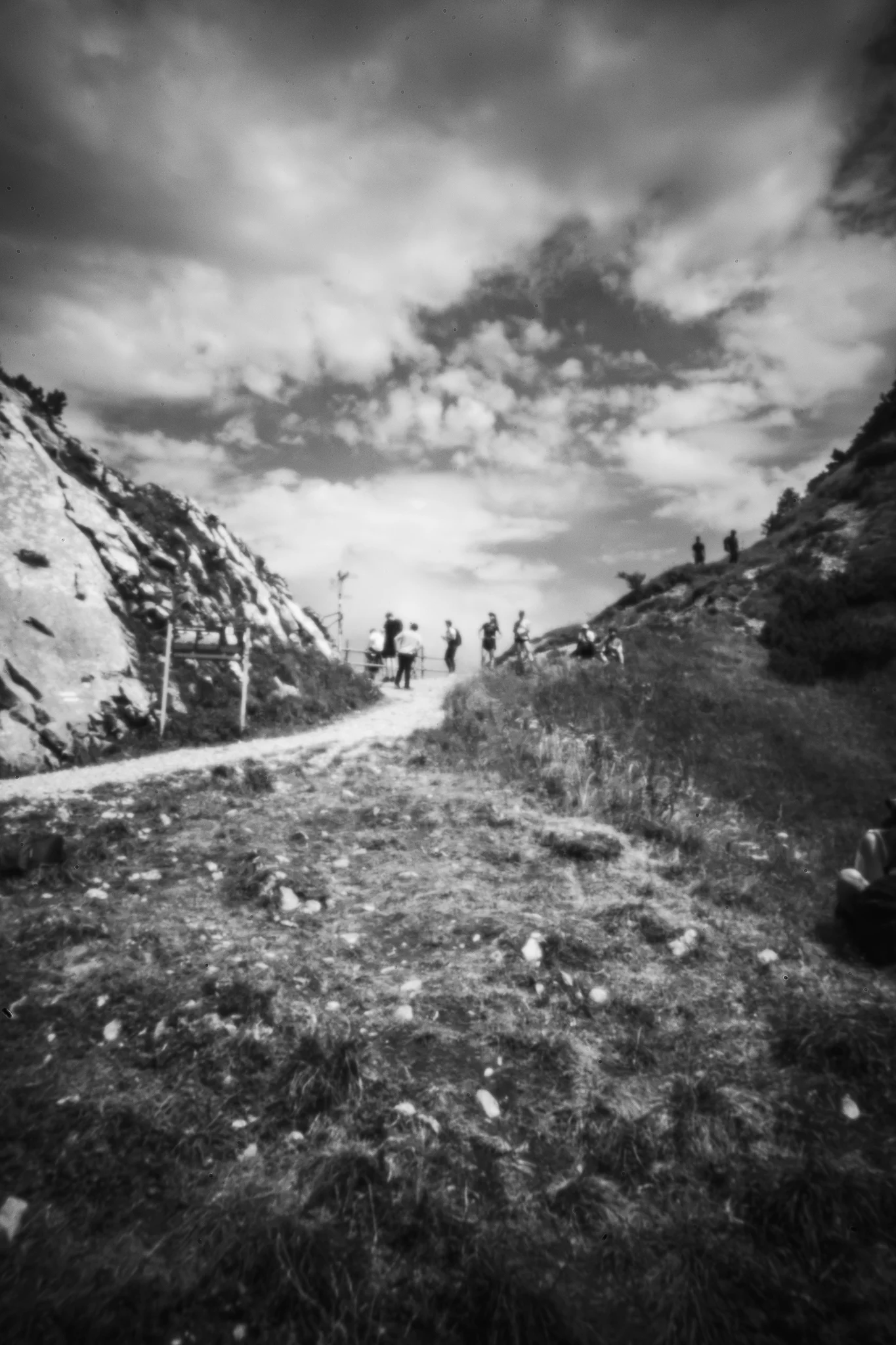
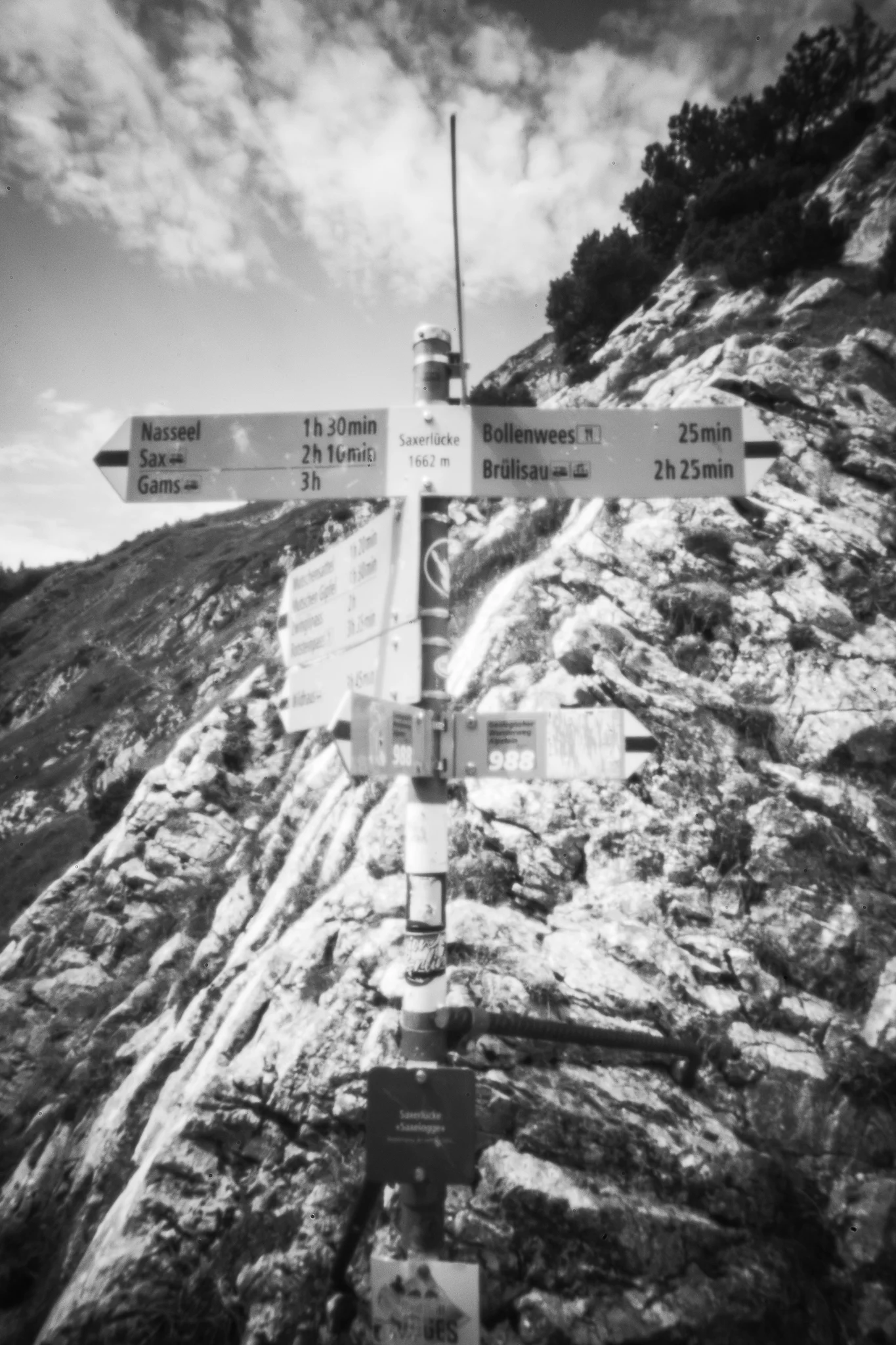
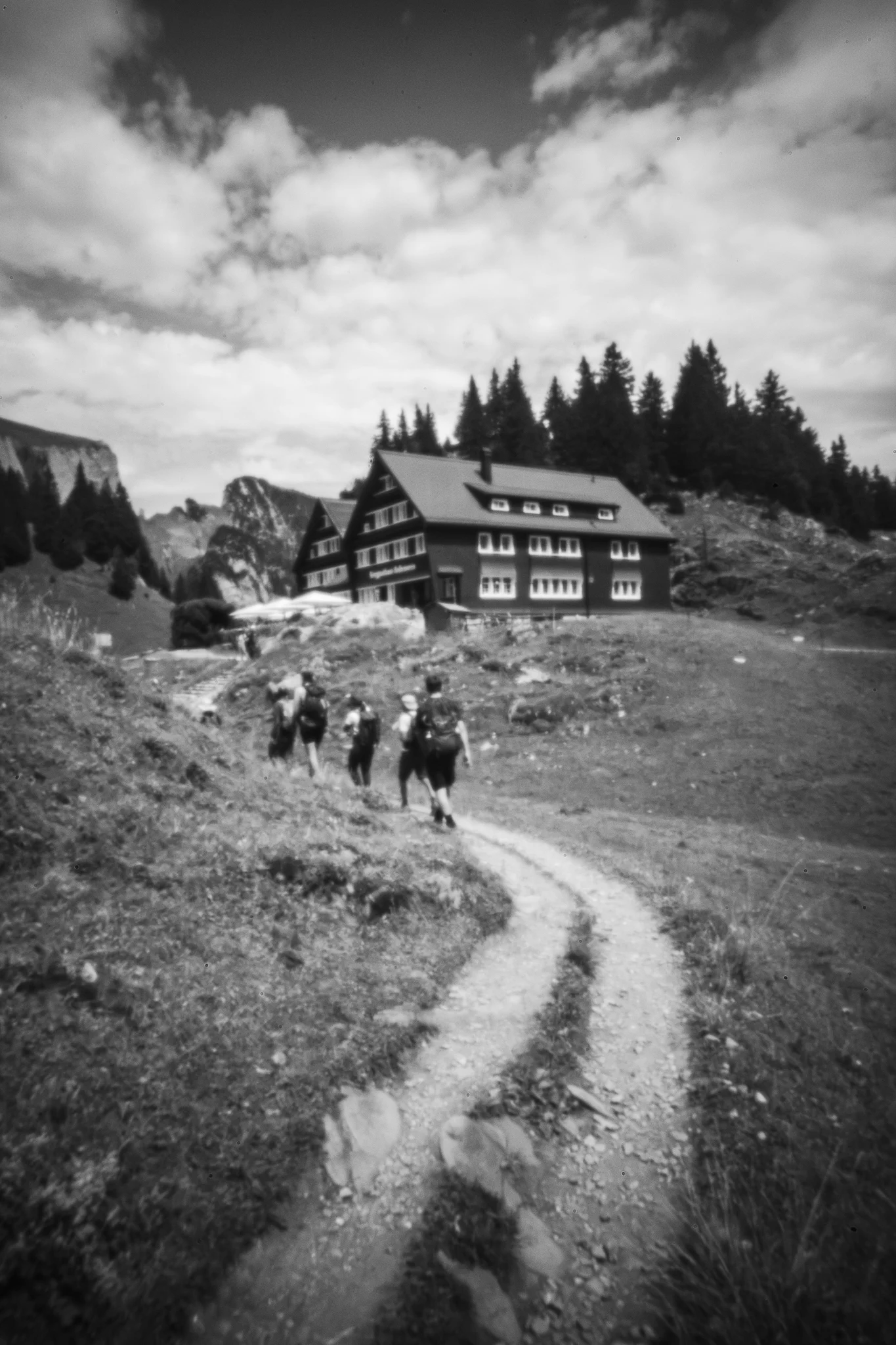
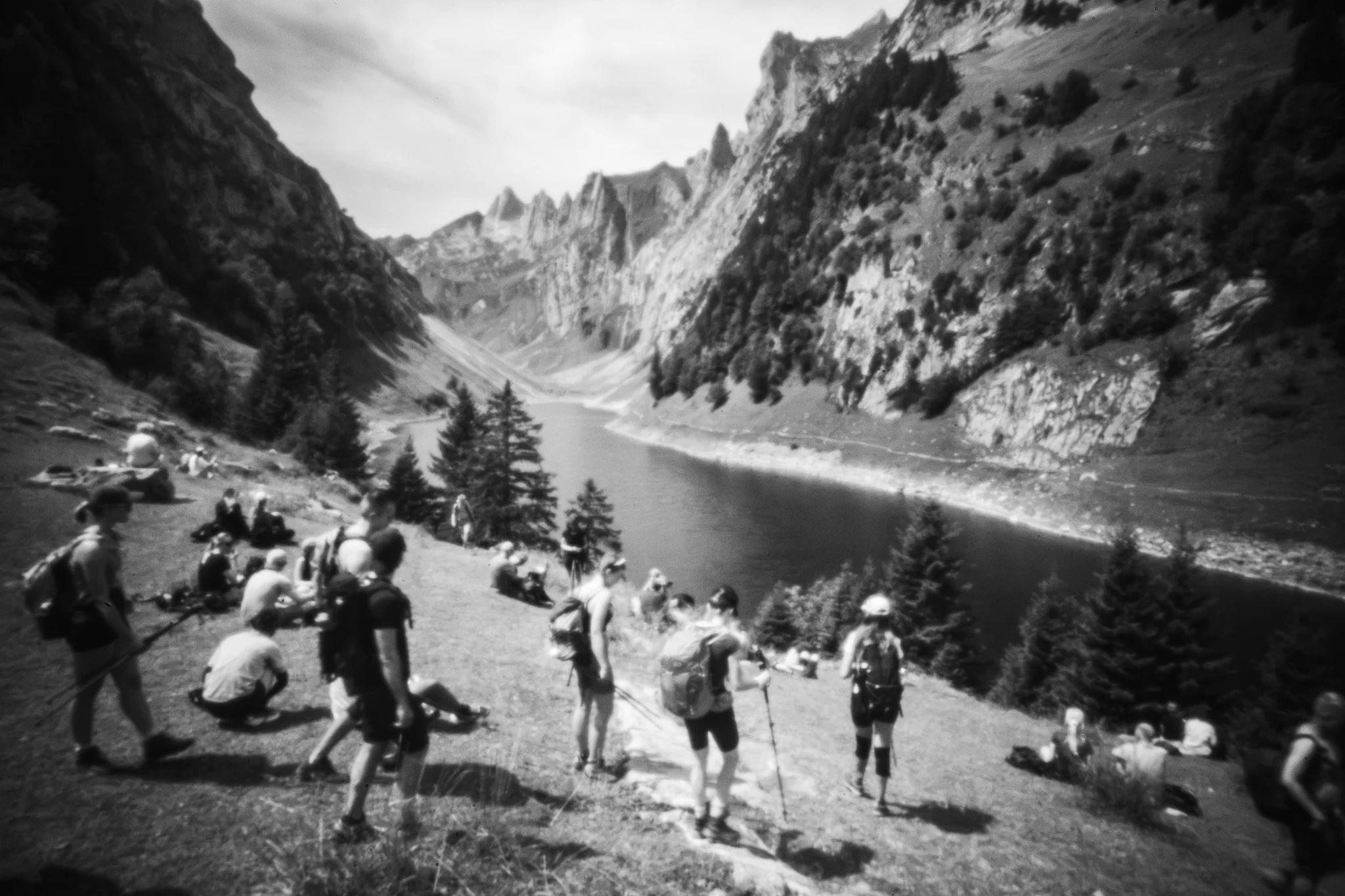
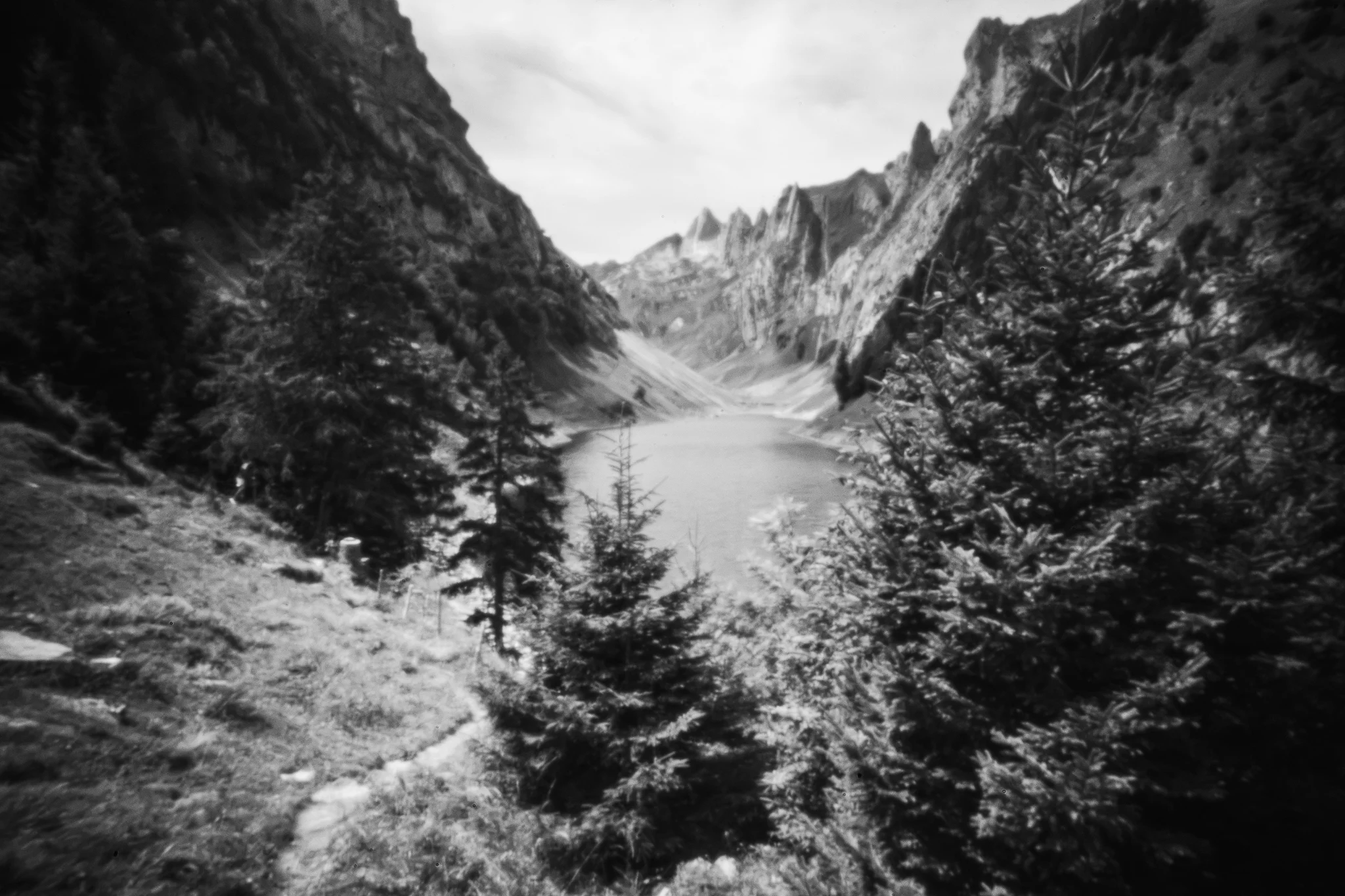
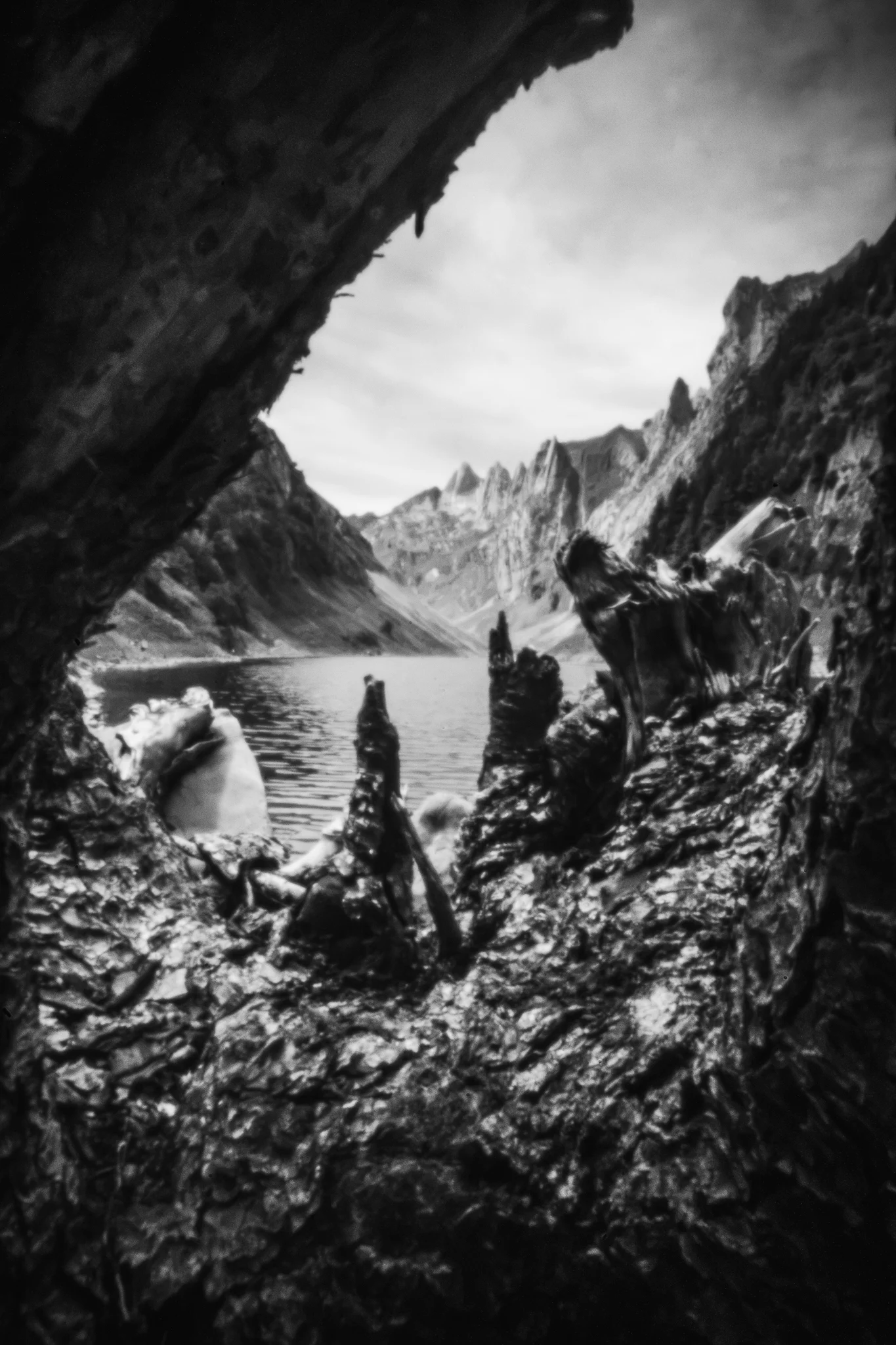
A camera, a tiny hole and no glass anywhere in it. Out on the Saxer Lücke with a homemade camera obscura lens: raw, veiled images of whatever is left of the light.
The idea
The idea itself has been waiting since 2022, when I first used a camera obscura. More precisely, I was inside one. Four years later, I built my own lens for my camera body. This "lens" isn't a regular lens at all, since it has neither glass nor an adjustable aperture. But there is a tiny hole, which does all the work on its own. I only fitted a plain UV filter on the front, which helps keep dust out of the camera.
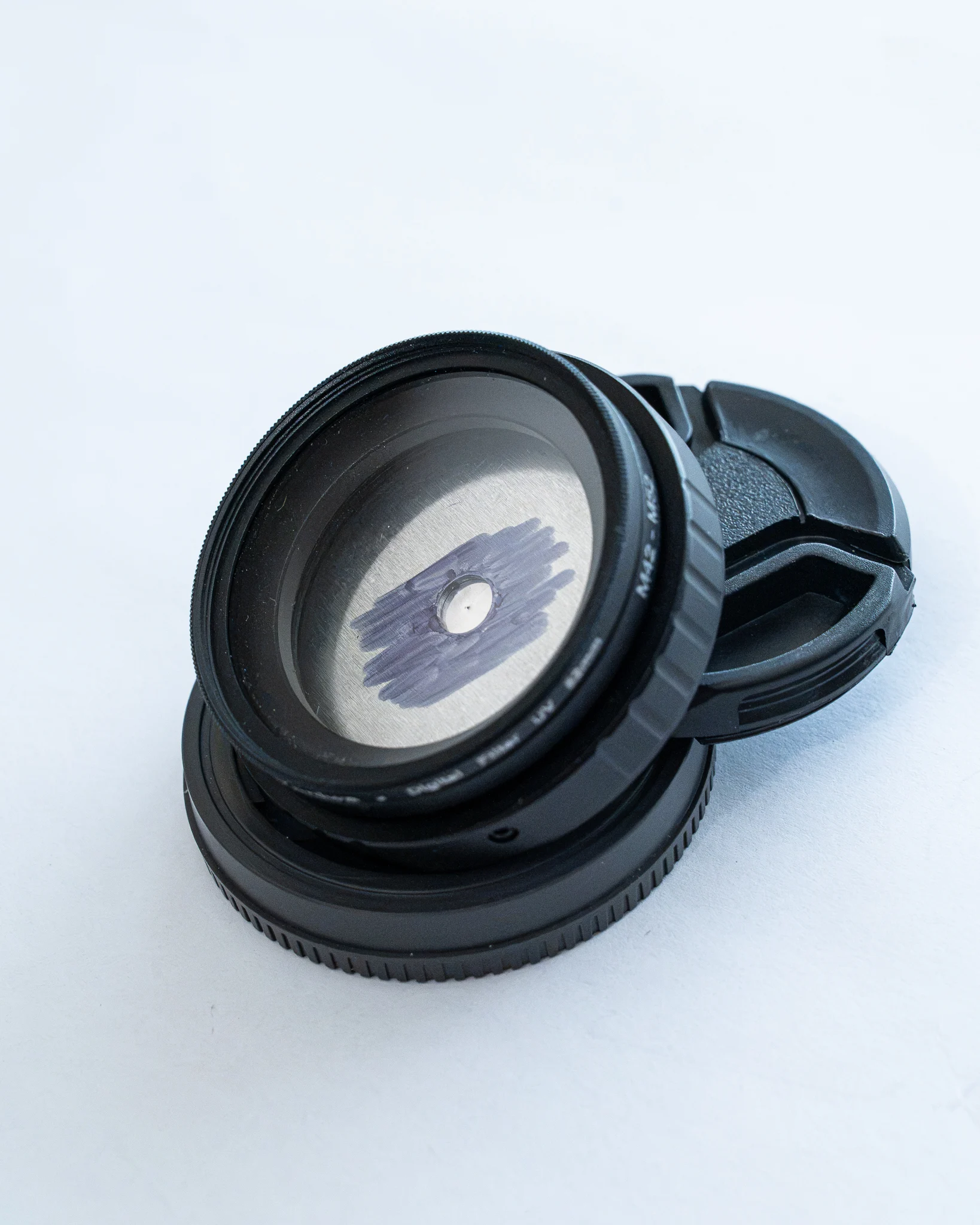
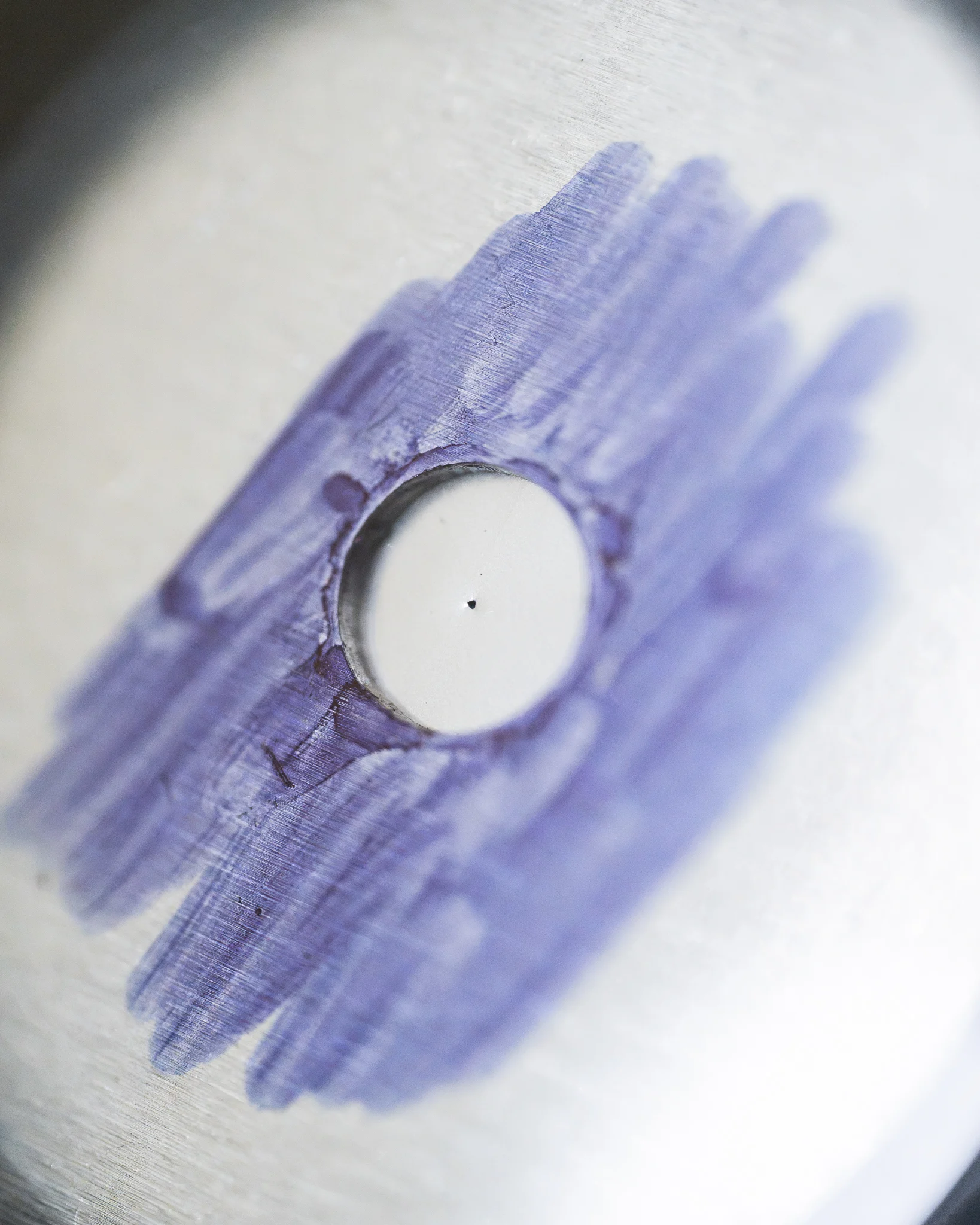
Infinite depth of field, infinite patience
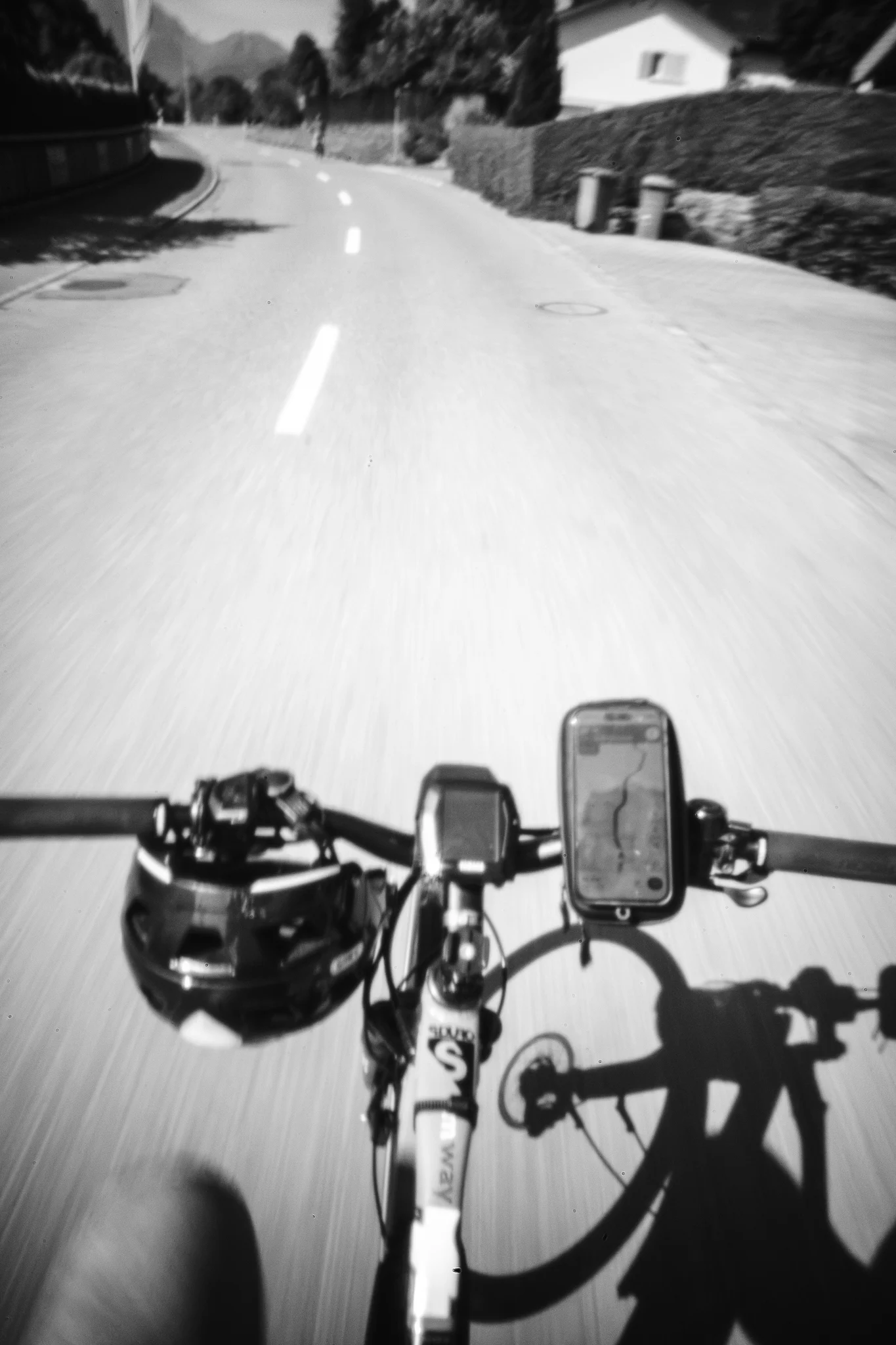
One peculiar property of a lens-free image is that it is practically equally (un)sharp everywhere. There is no sharp transition between foreground and background, and no bokeh, which modern photography loves to play with. The same soft, grainy equality holds every plane together. In return, the exposure time grows, because very little light passes through an aperture of around f/170. Photography can once again become a slow process, in which patience is part of the technique.
Why dirty, why raw?
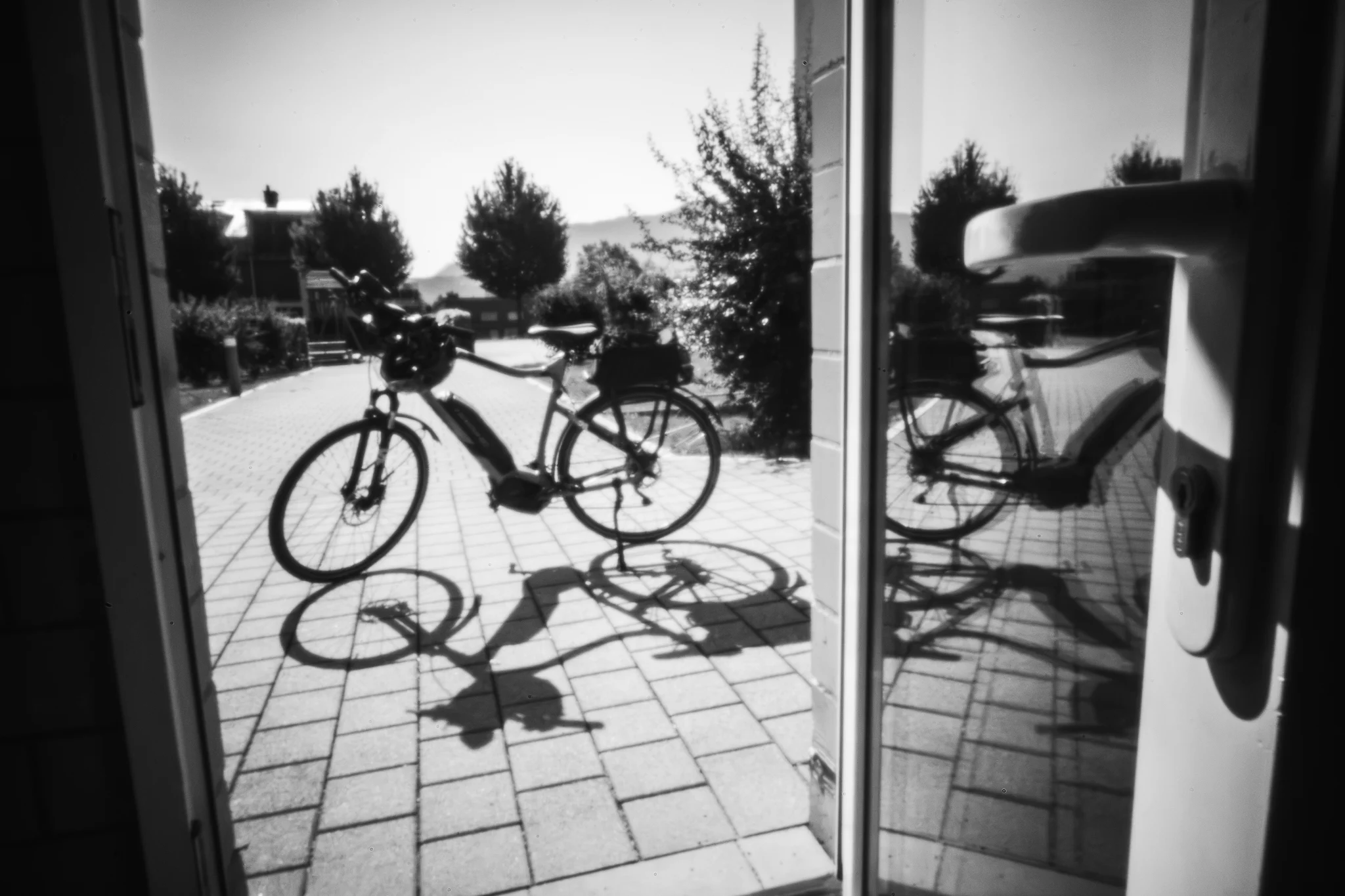
The flaws of a pinhole, such as vignetting, stray light, dust and loss of contrast, are not really flaws, but natural properties of the system.
The result is something like beautiful landscapes rendered in an ugly but characterful way. The beauty of the landscape remains, but the rendering doesn't pamper you. That tension is what interests me: a raw, slightly uncertain image is closer to how our memory works than a perfect photograph. We don't keep details, we keep mood, patches of light, a veiled view.
A pinhole camera is about how much you have to let go of in order to see. Everything that is complicated in modern lenses is missing here, and still an image is born. The hole doesn't filter, doesn't correct, doesn't interpret. There are no coatings, no focus motors, no corrective elements. There is something alive and natural in it: the way light passes through a tiny hole on its own, drawing the image of the outside world onto the back wall of the box. Perhaps it is the most honest camera: it only shows what remains of the light after passing through a very small opening.
Behind the camera
Dávid Hosszú

Continue exploring
Continue Exploring
 Gallery
Latest publication
Festival Season 2025
Photographs from my 2025 festival season in Switzerland, a more uneven year shaped by new clients, changing equipment, some analogue experiments and a faster way of delivering photographs during events.
Gallery
Latest publication
Festival Season 2025
Photographs from my 2025 festival season in Switzerland, a more uneven year shaped by new clients, changing equipment, some analogue experiments and a faster way of delivering photographs during events.
 Project
From the archive
Beyond the icon
An abstract study of the Duomo’s upper world. Statues, spires, and marble forms detached from their postcard identity.
Project
From the archive
Beyond the icon
An abstract study of the Duomo’s upper world. Statues, spires, and marble forms detached from their postcard identity.
 Project
From the archive
Paris in Motion
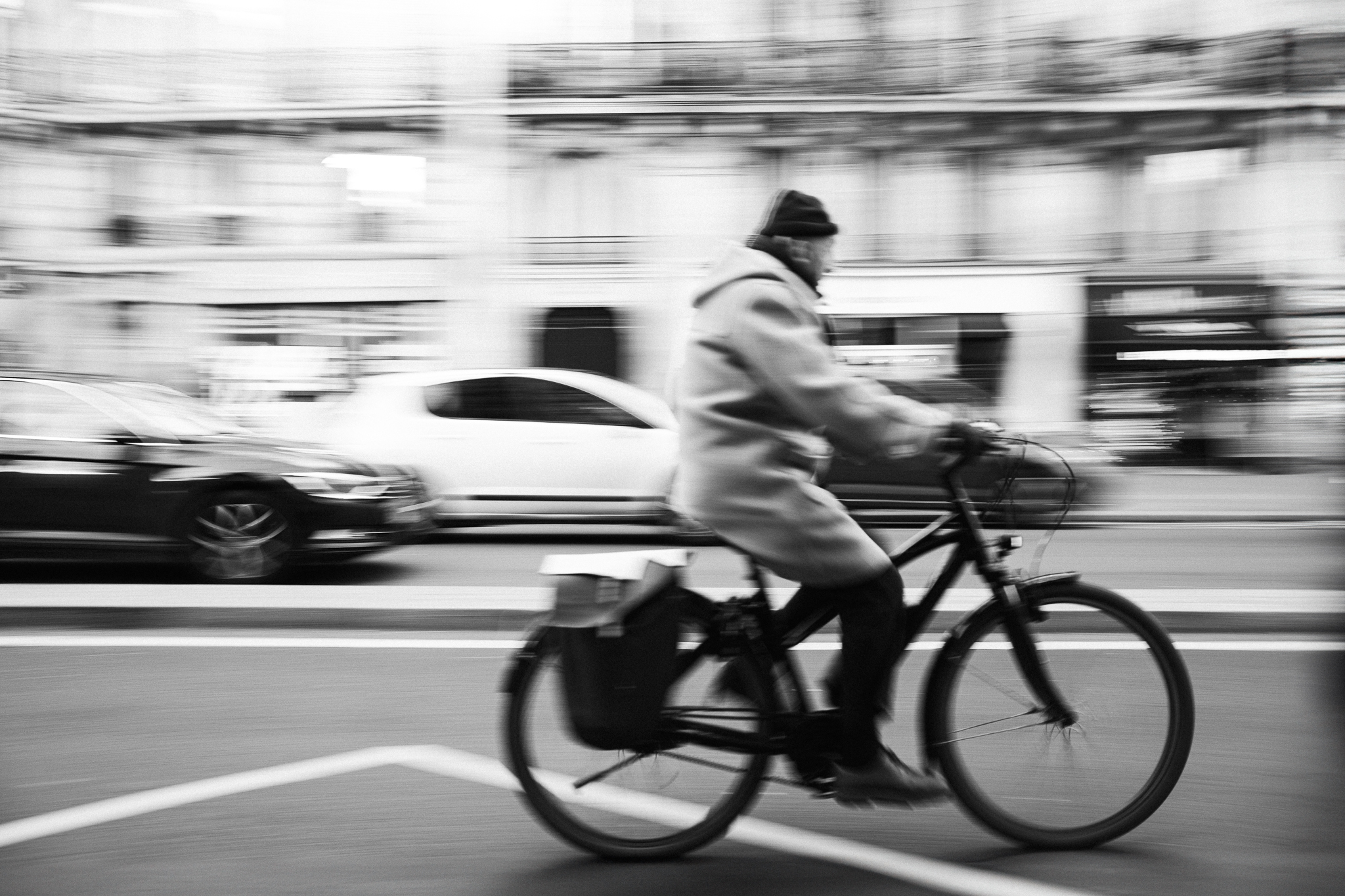
A photo series about the restless pulse of Paris and the delicate moments that form within it. People and monuments interact in ever-changing compositions that exist only for a breath.
Project
From the archive
Paris in Motion
A photo series about the restless pulse of Paris and the delicate moments that form within it. People and monuments interact in ever-changing compositions that exist only for a breath.
 Project
From the archive
Faces along the way
Portrait photography series capturing faces on the Camino de Santiago. A documentary photo project focusing on the inner journey of each person.
Project
From the archive
Faces along the way
Portrait photography series capturing faces on the Camino de Santiago. A documentary photo project focusing on the inner journey of each person.
Discussion
Comments
Loading comments
Add a comment
Join the conversation.
Questions, observations and different perspectives are welcome. Please keep the conversation thoughtful and respectful.