Beyond the Icon – Duomo di Milano
2025
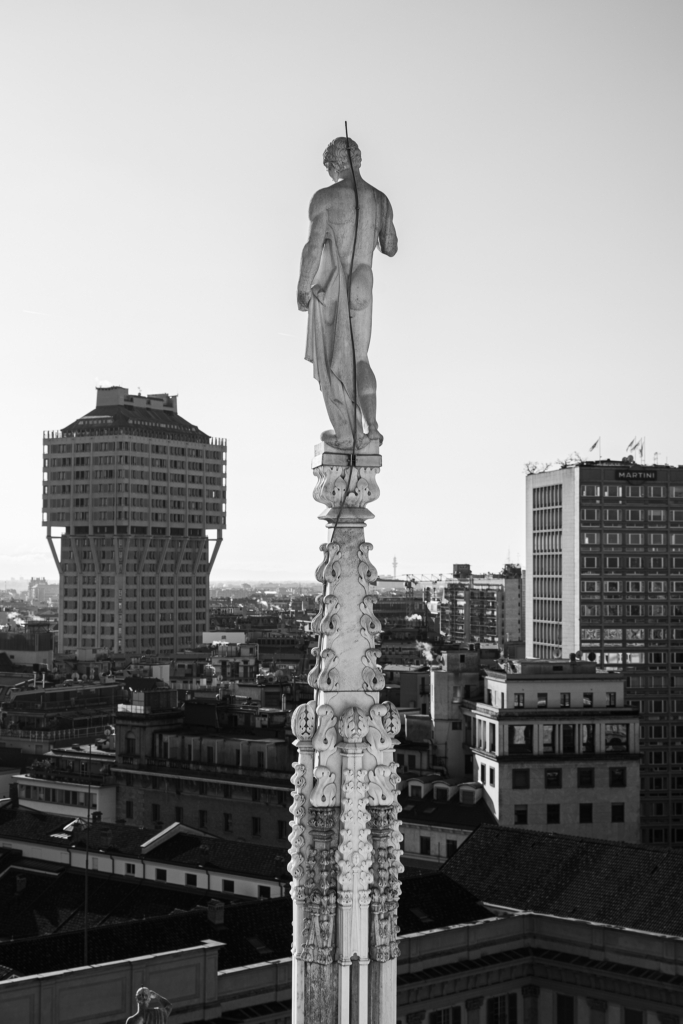
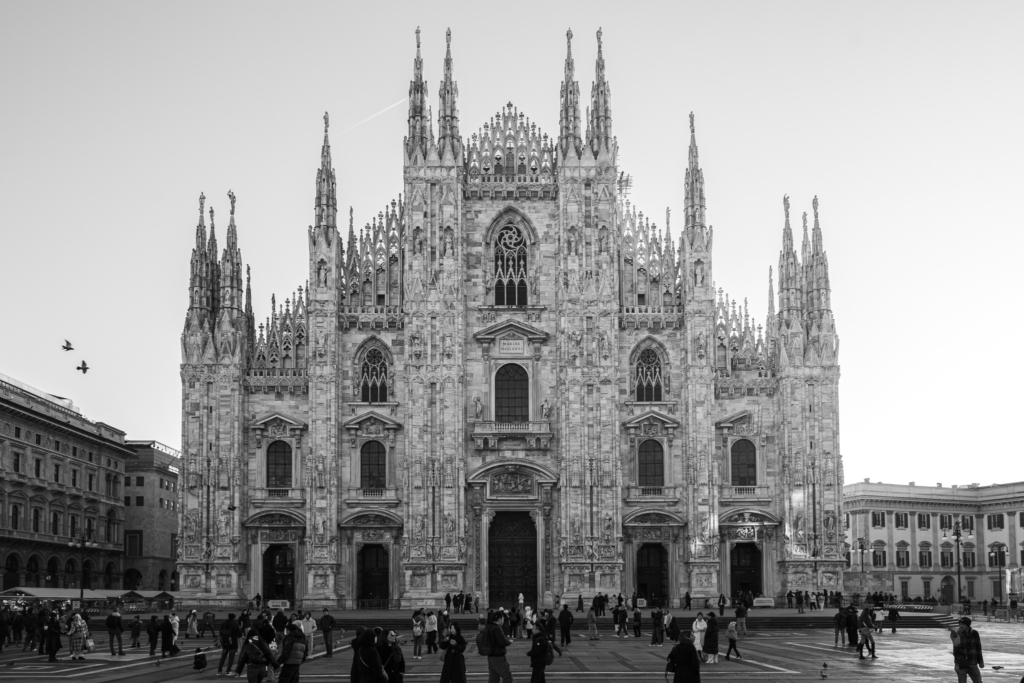
This project explores the rooftop of Duomo di Milano, one of Europe’s most recognizable cathedrals. Instead of photographing its famous western façade – the image that appears on postcards, travel brochures, and countless screens – I turned my attention upward.
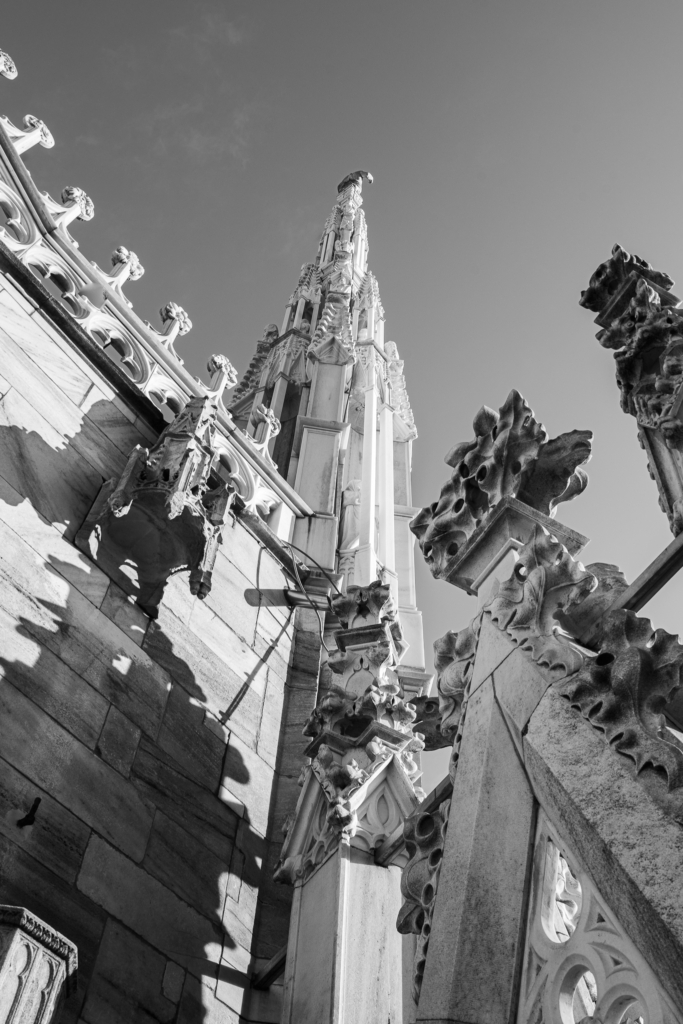
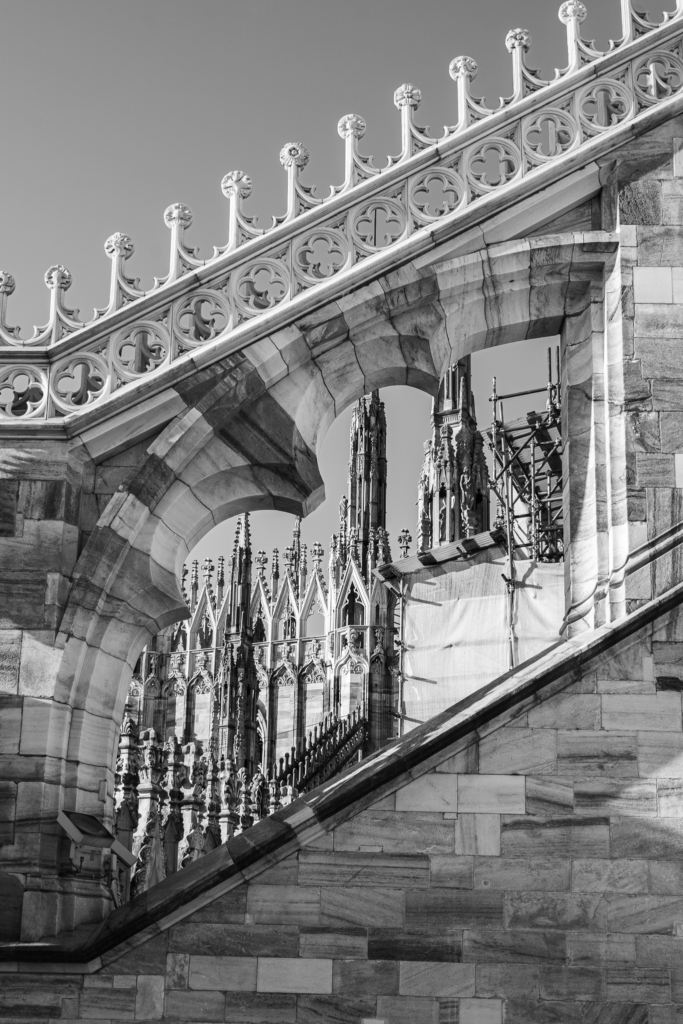
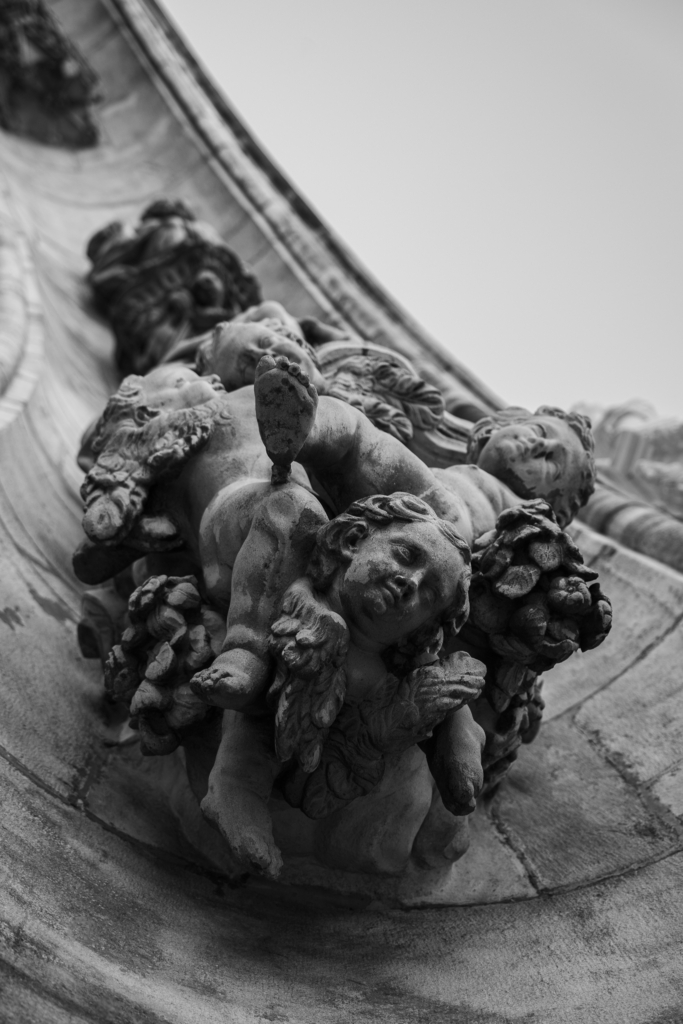
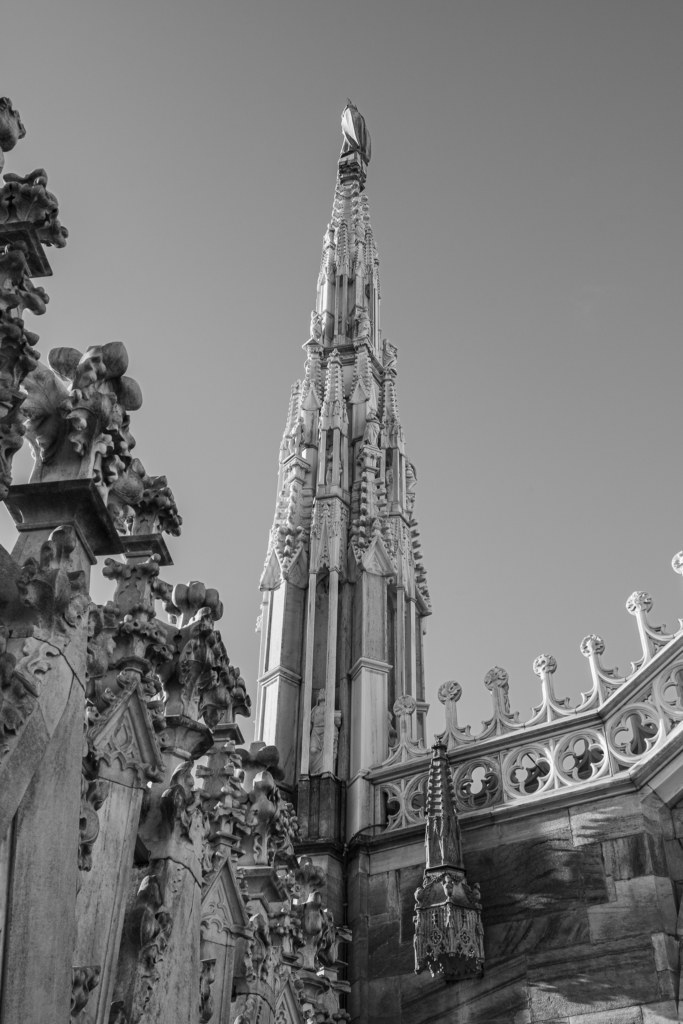
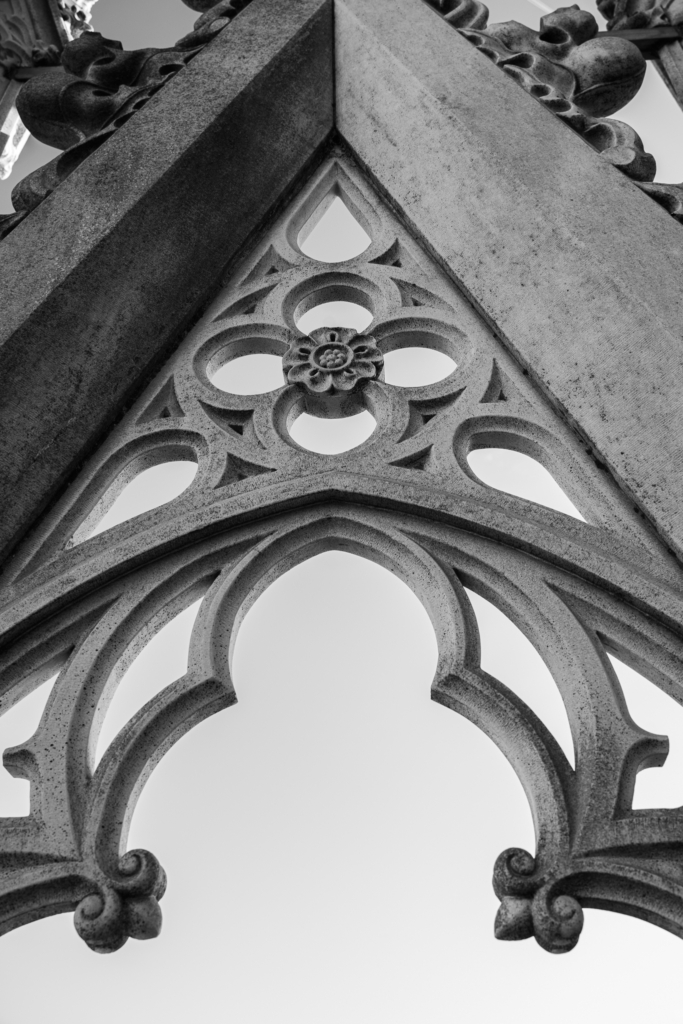
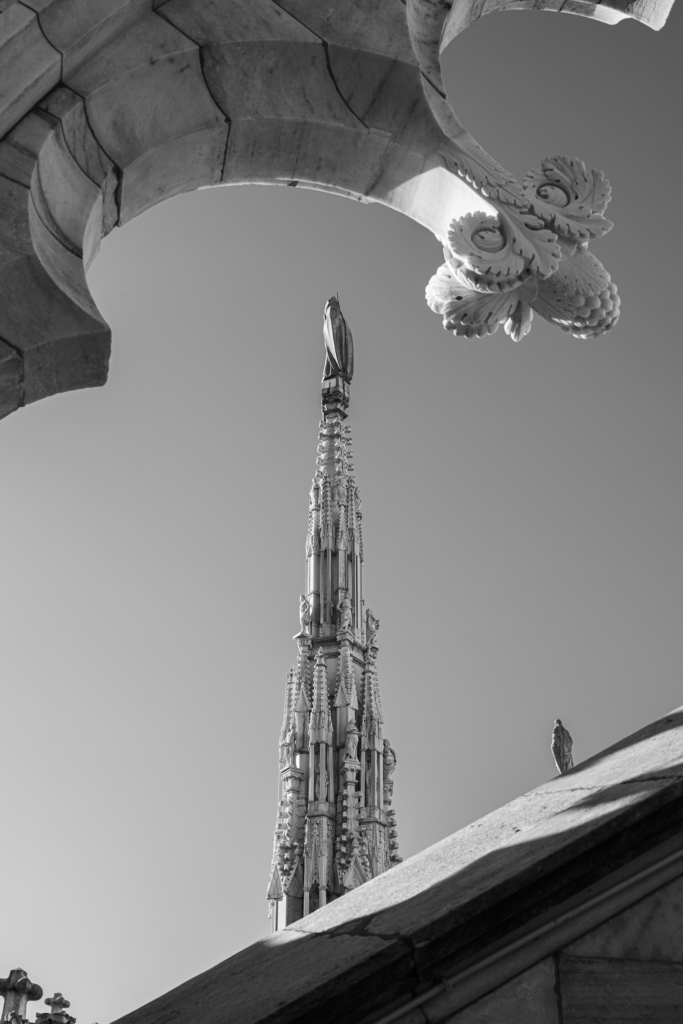
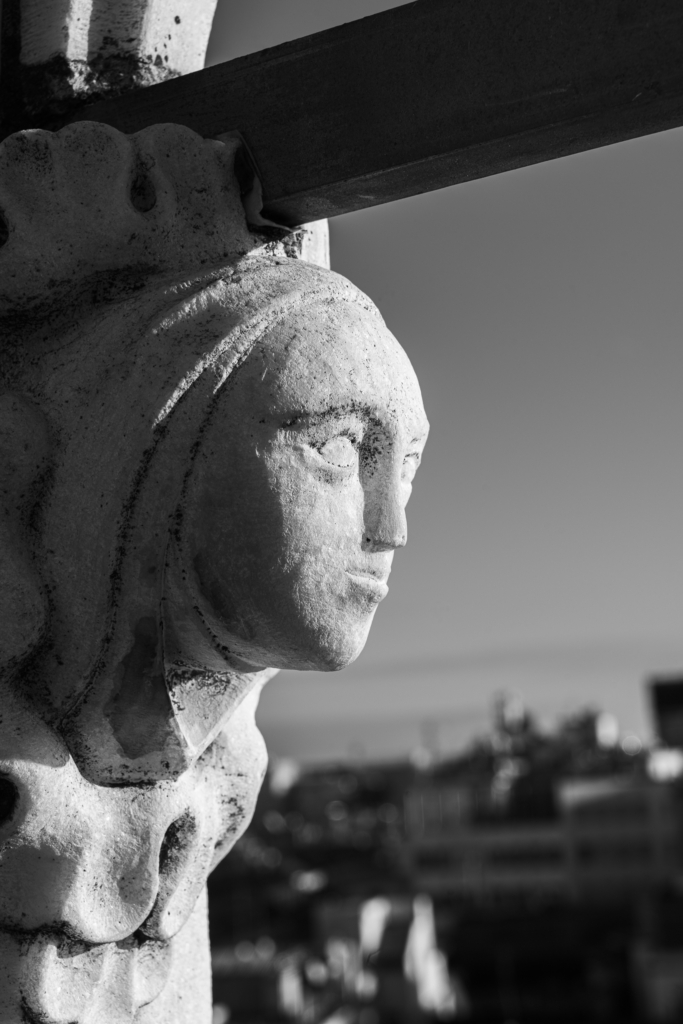
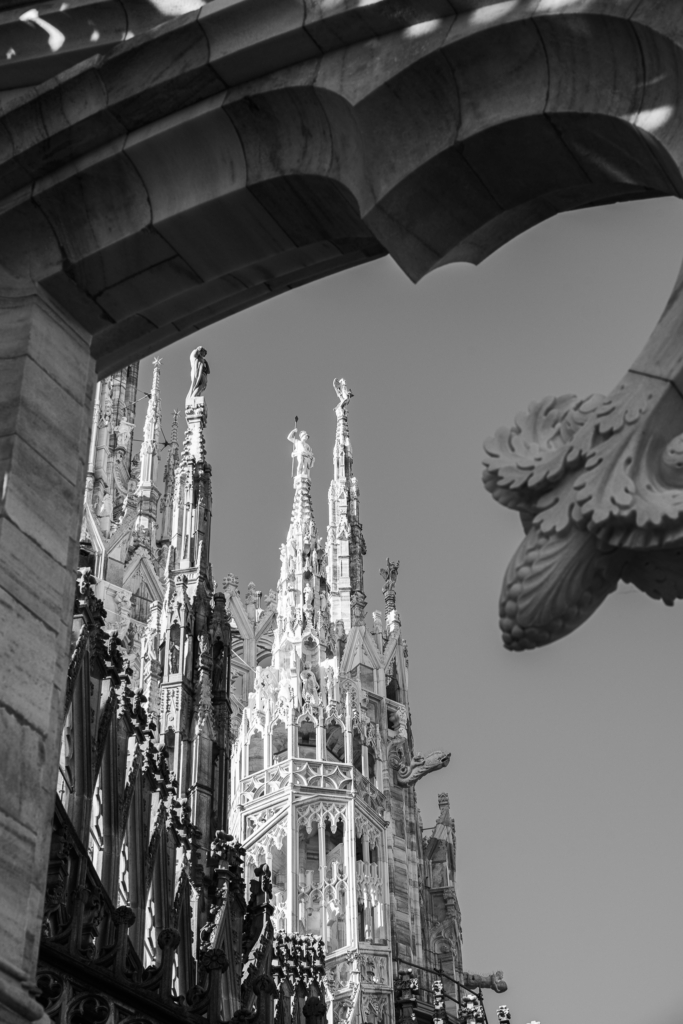
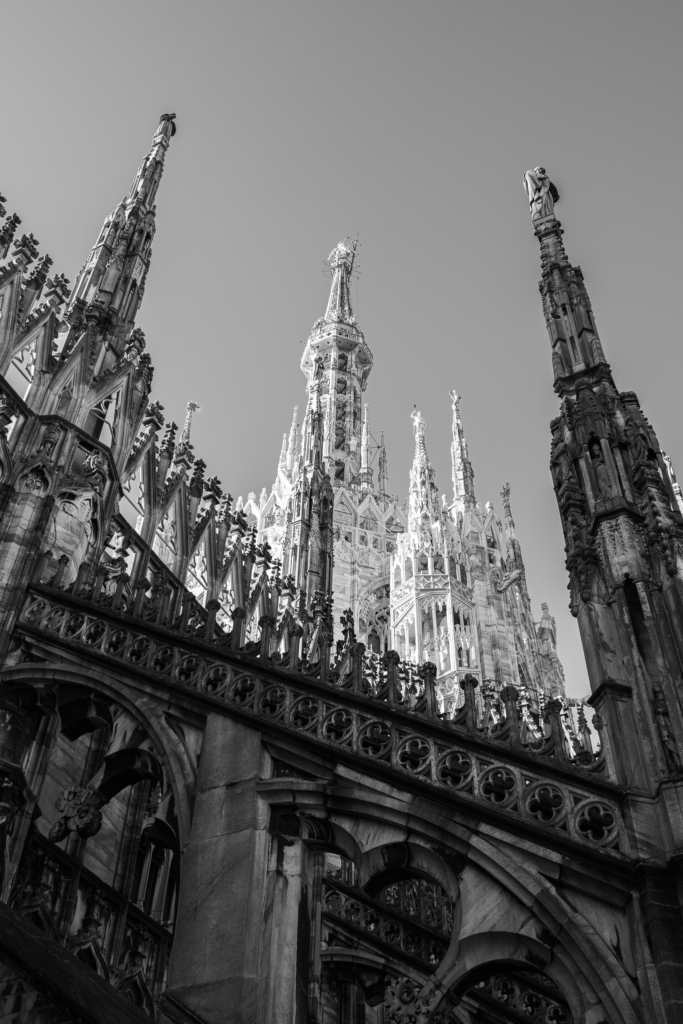
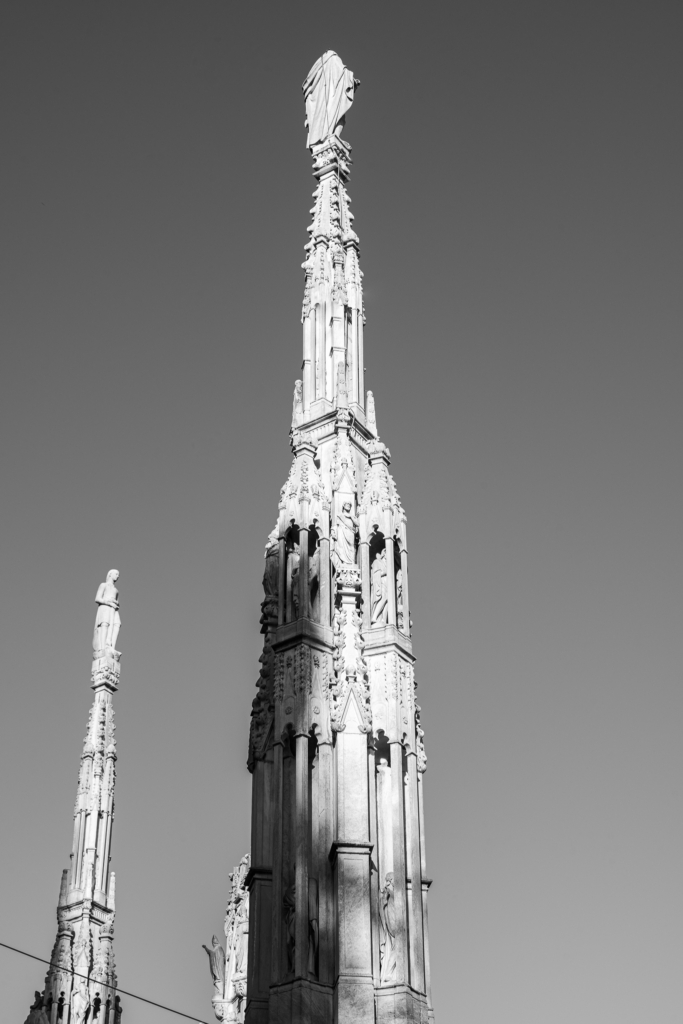
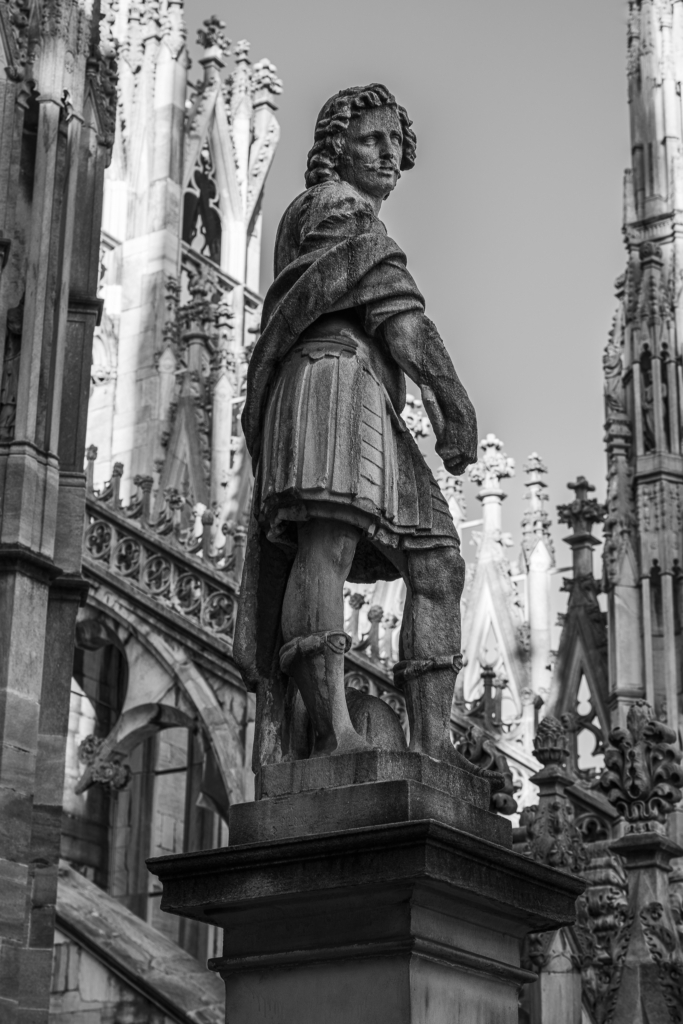
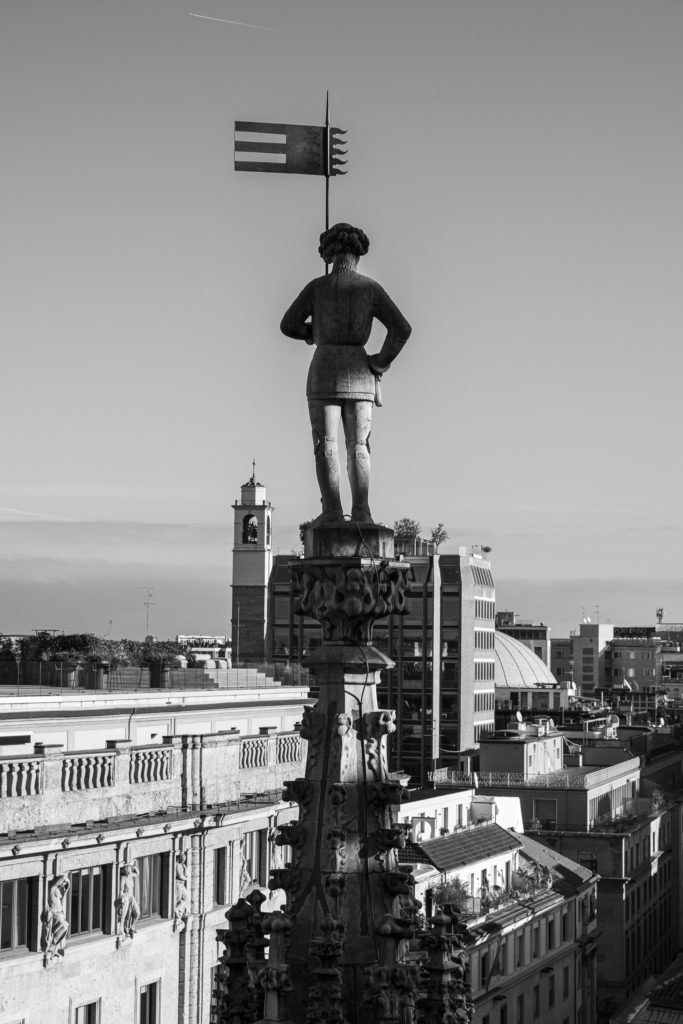
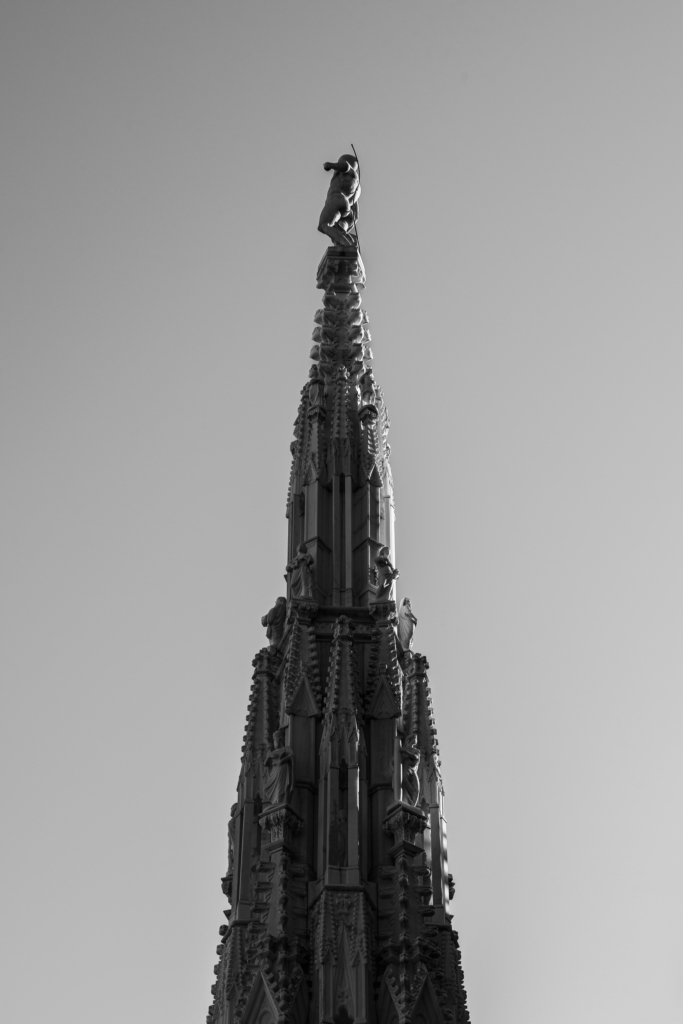
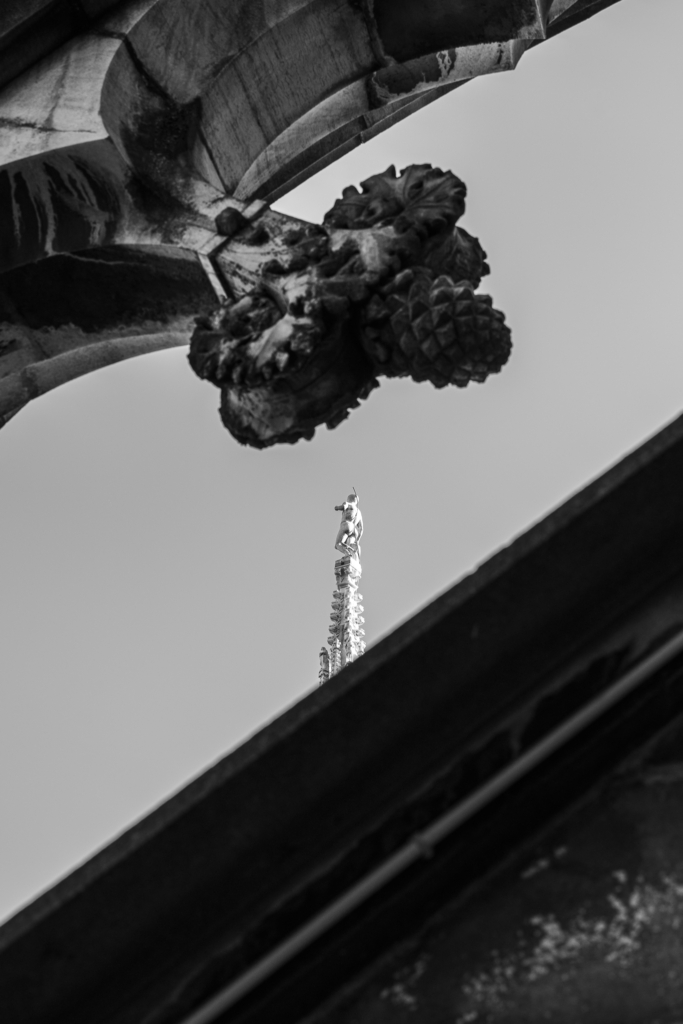
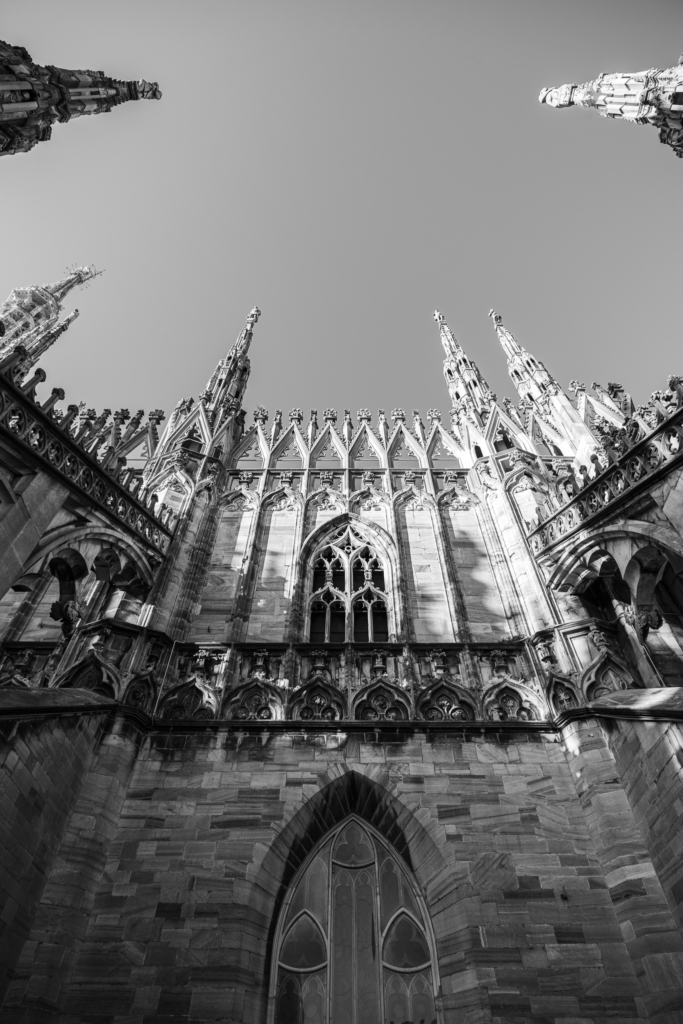
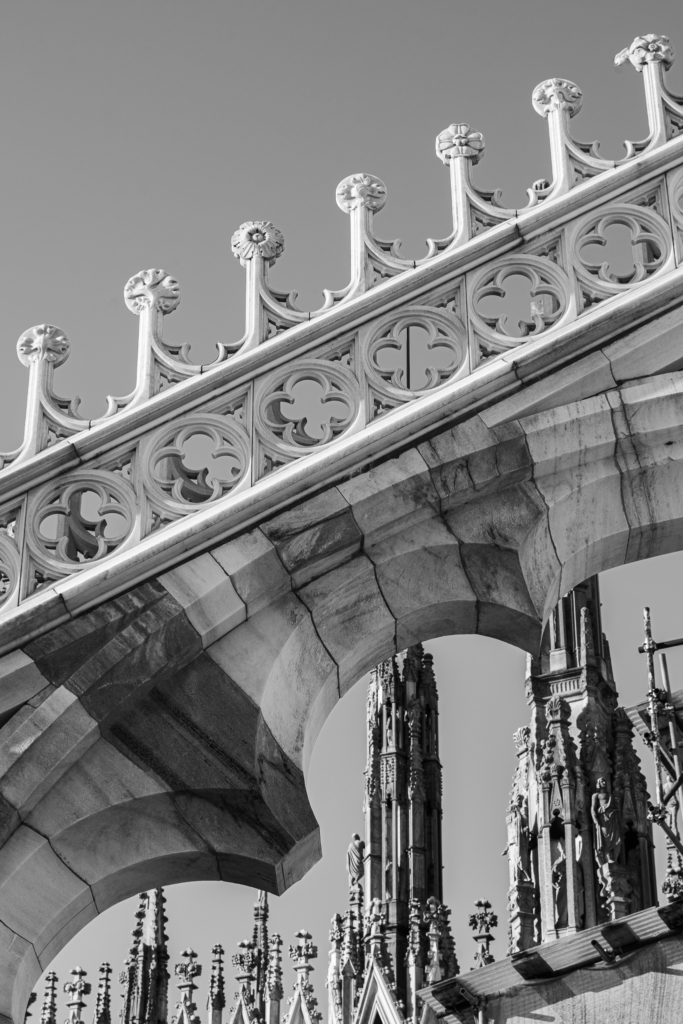
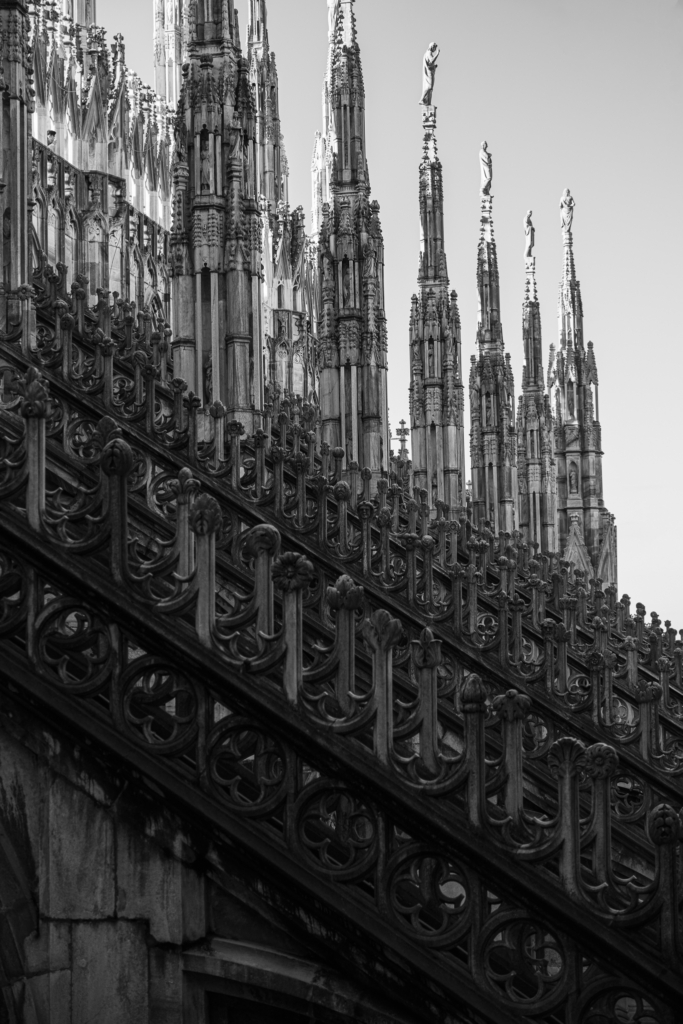
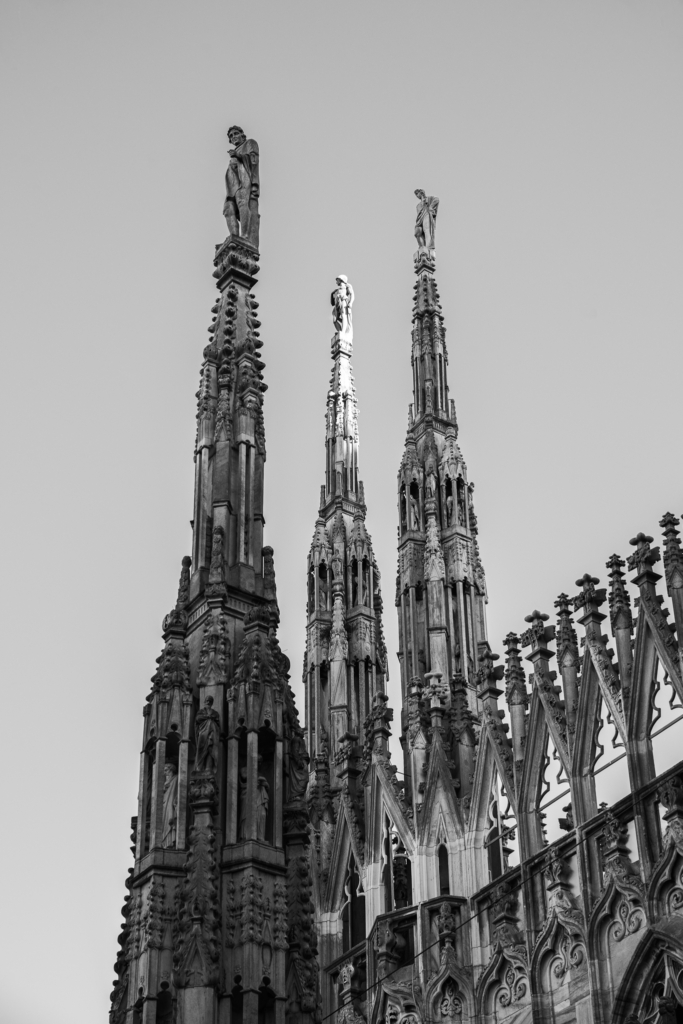
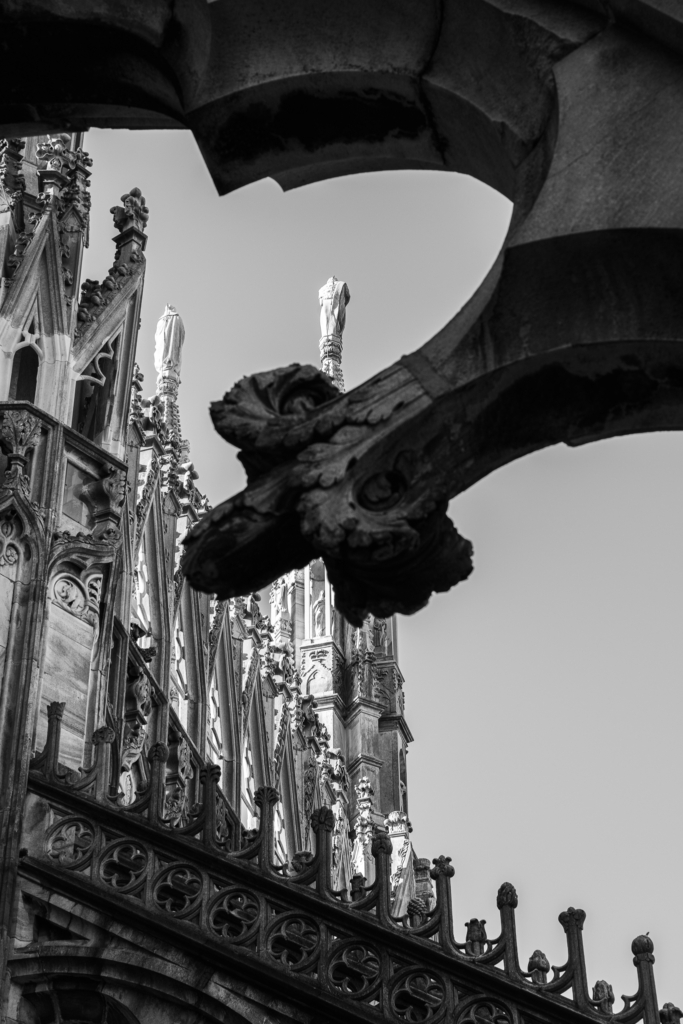
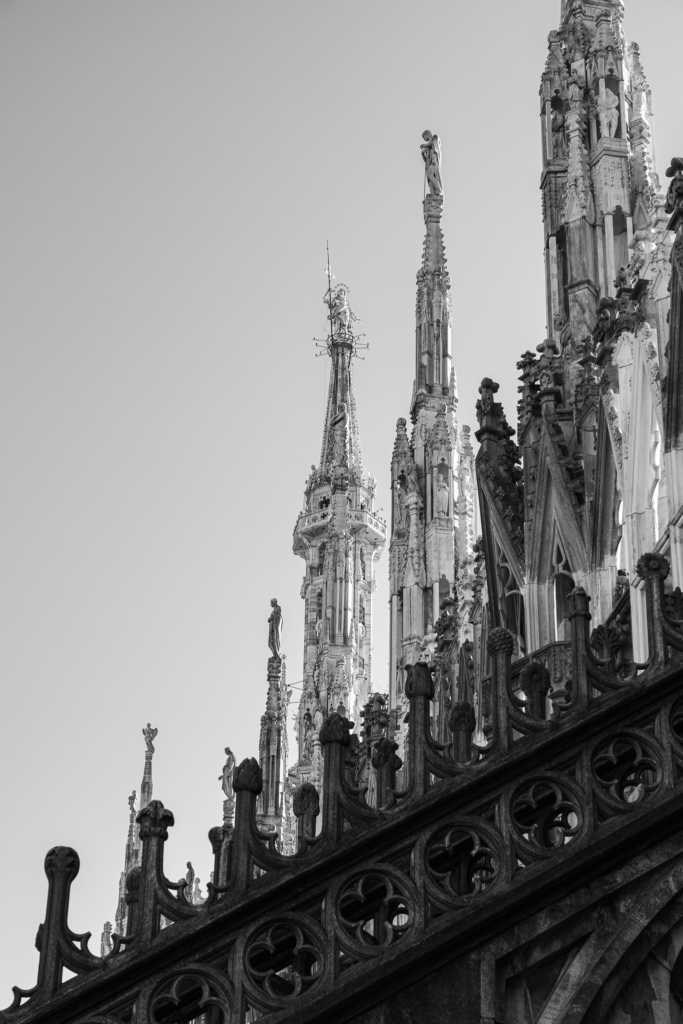
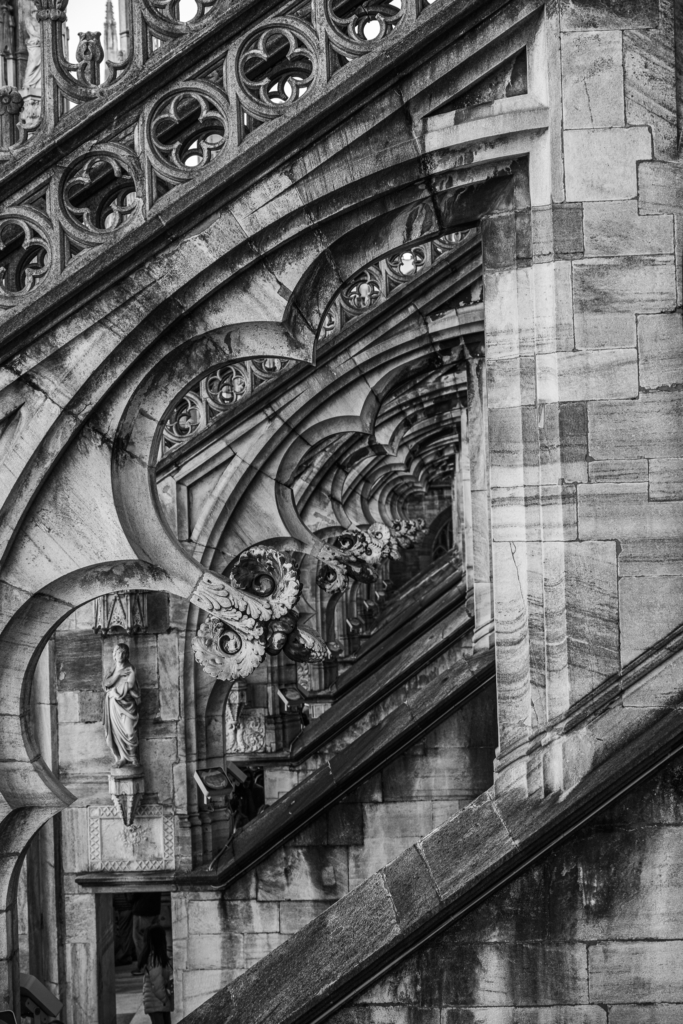
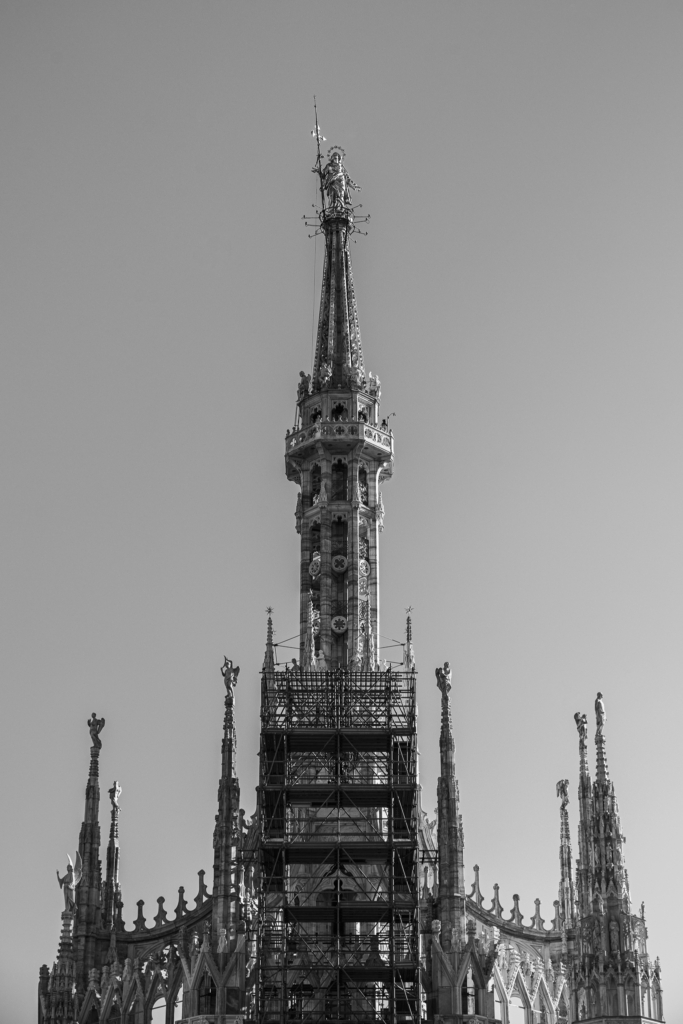
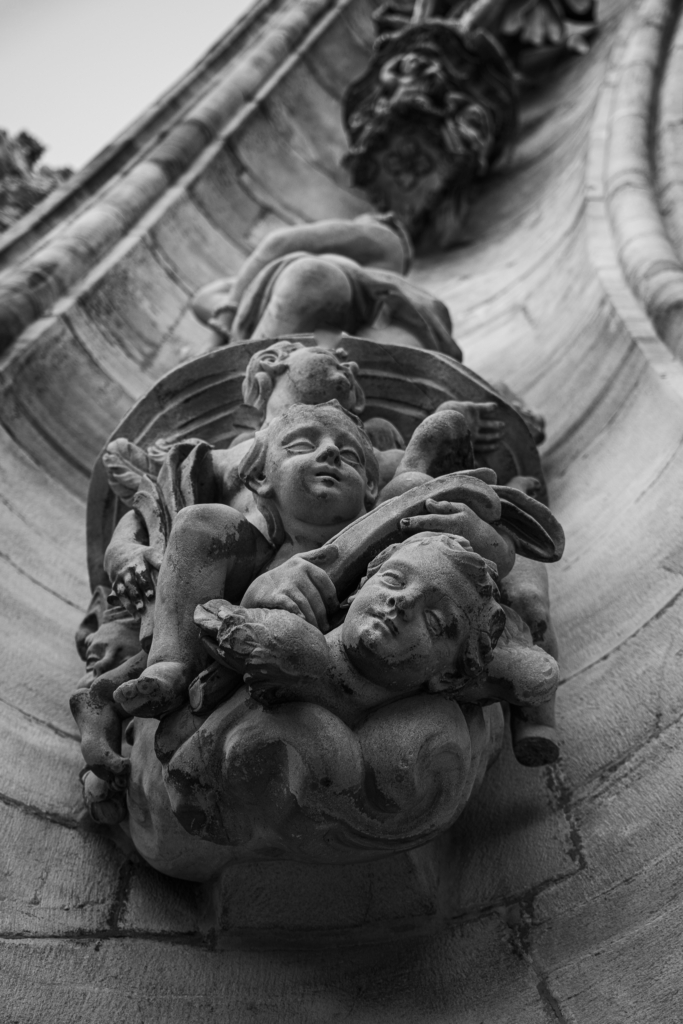
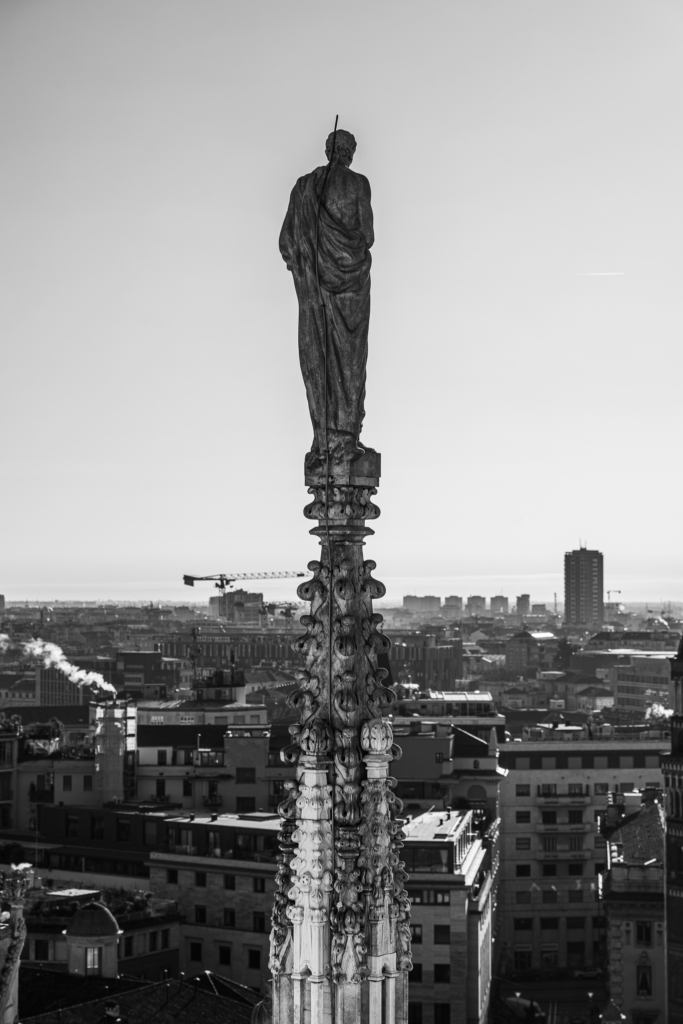
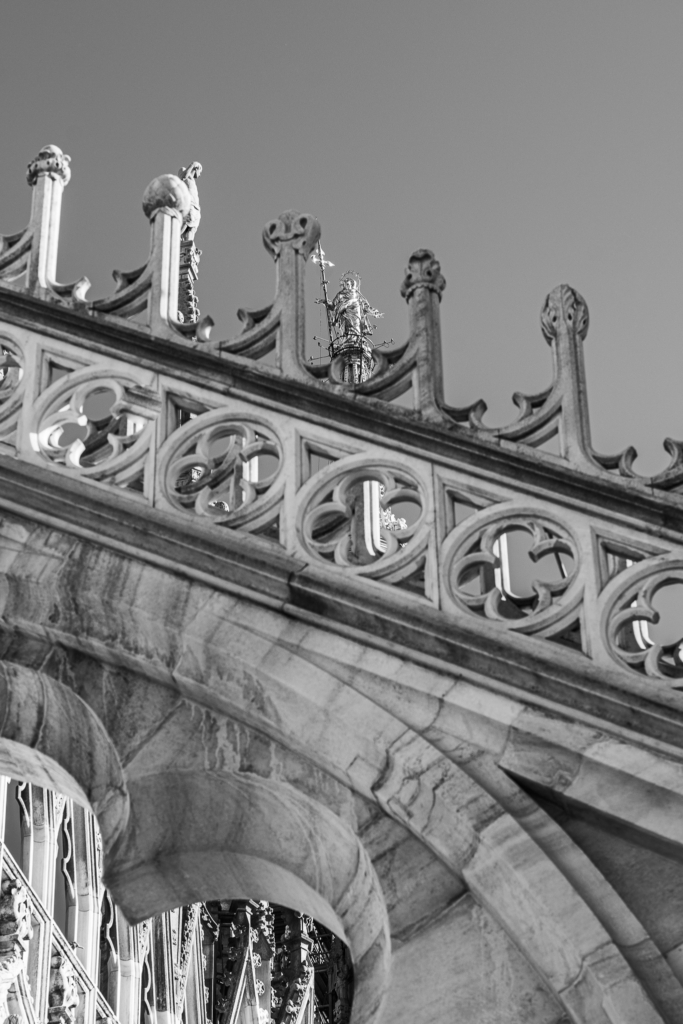
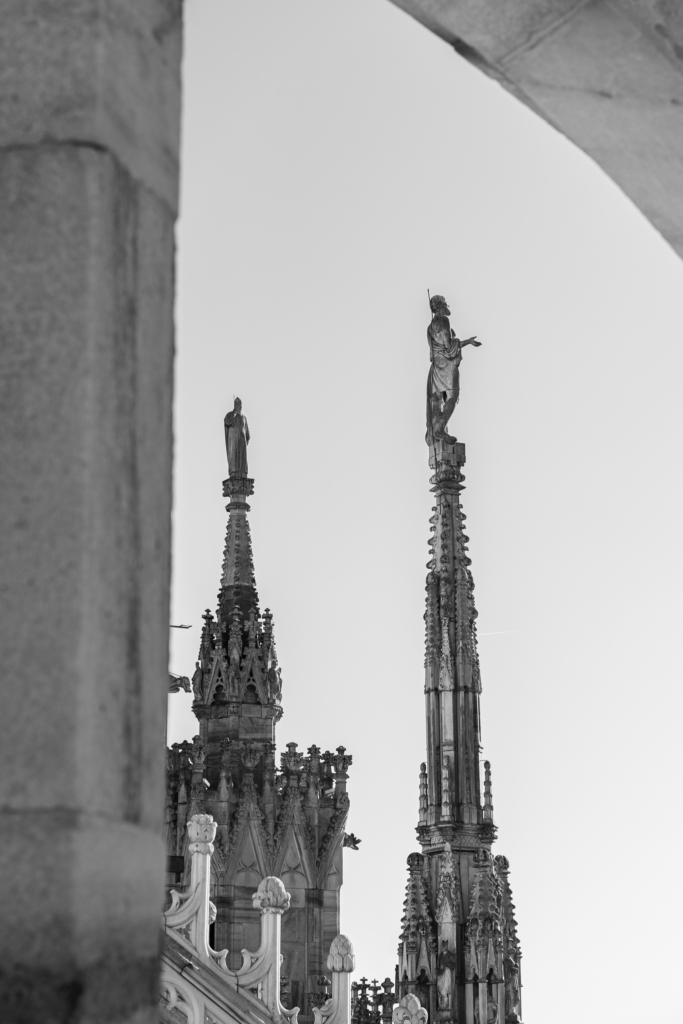
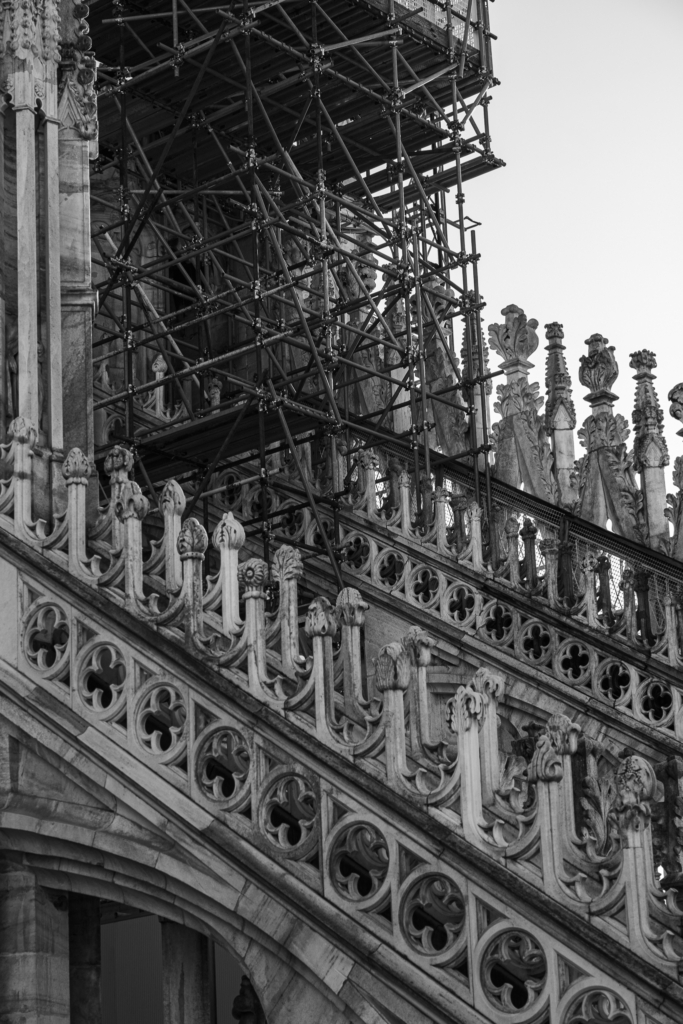
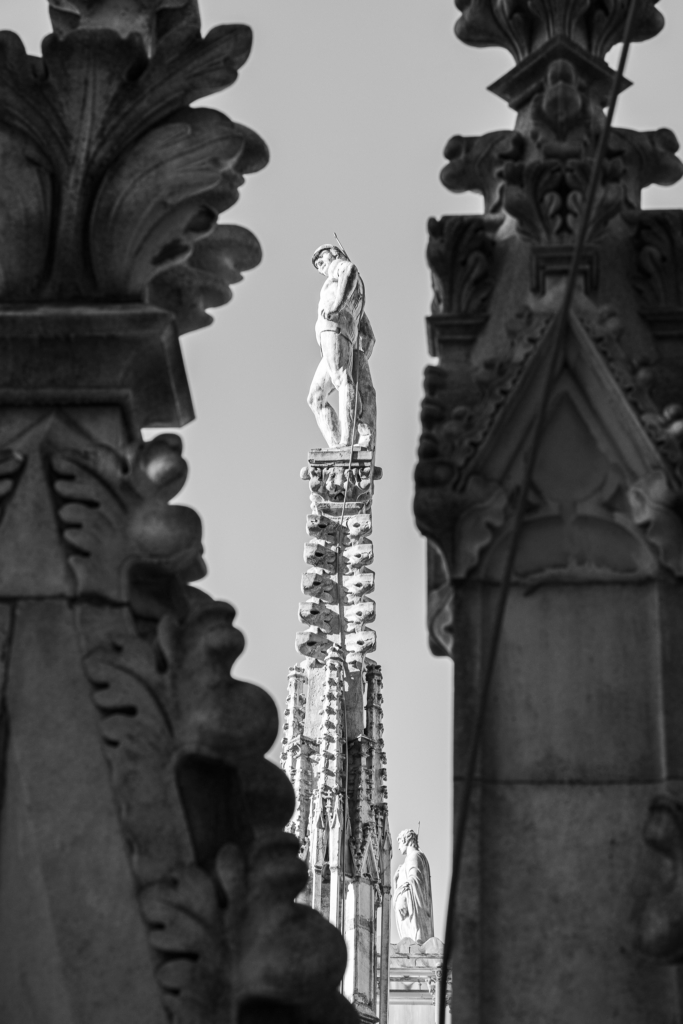
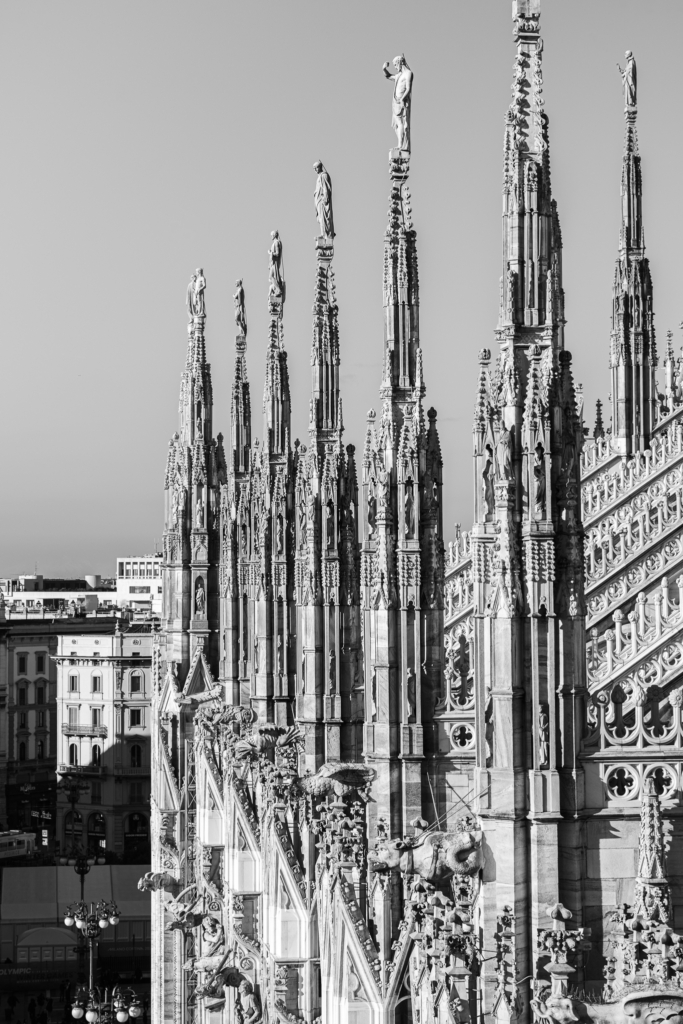
I climbed onto the roof and began to isolate fragments: statues suspended against the sky, sharp Gothic spires, ornamental pinnacles, carved stone details, and architectural elements detached from their familiar context.
My intention was to abstract a highly recognizable monument. I wanted to remove its instant readability and visual identity, and reveal it in a way that challenges recognition. By extracting details from their architectural whole, the cathedral becomes something else: a landscape of stone, rhythm, shadow, and tension.
GALLERY
BEHIND THE PROJECT
This section offers a little context to help understand the images and the ideas behind the project. It explains how the work was created, what it explores, and what you might notice when looking closely.
Project Philosophy
Te approach and ideas that guide this project are explained below.
Deconstructing the Familiar
When an object becomes iconic, it risks becoming invisible. We recognize it instantly and stop truly seeing it.
This project attempts to undo that recognition.
By isolating fragments of the cathedral’s upper structure, I invite the viewer to encounter the building without the comfort of its full silhouette. The goal is not documentation, but rediscovery.
Architecture as Sculpture
On the rooftop, architecture dissolves into sculptural forms.
Statues emerge as independent presences. Spires become vertical gestures. Decorative elements overlap, intersect, and fragment into abstract compositions.
The cathedral is no longer a building – it becomes a collection of tensions between light and shadow, mass and void.
The Space Above
The rooftop is a threshold between earth and sky.
Here, the city fades into the background. What remains is stone against light, detail against emptiness. The negative space becomes as important as the marble itself.
The Idea and Inspiration
In the early decades of photography, the medium was often used to document buildings before demolition or restoration. Photographers such as Édouard Baldus and Charles Marville created careful studies of architecture during periods of transformation in 19th-century France. Their work treated buildings not merely as scenery, but as historical and structural subjects worthy of close attention.
Although this project is not documentary in the same sense, it is influenced by that early photographic intention: to observe architecture with patience and respect, and to preserve details that might otherwise go unnoticed.
Documenting
December 26, 2025
Rooftop of Duomo di Milano
Milan, Italy
Tools and Methods
Captured with the Sony A7IV and Sony FE 20-70mm F4 G zoom lens.
Black & White
Monochrome editing removes the distraction of color and emphasizes:
-
Surface texture of marble
-
Weathered edges and erosion
-
Carved details
-
Structural geometry
-
Light–shadow contrast
The absence of color allows the cathedral’s materiality to take precedence over its tourist identity.
Tight Framing
Most images are cropped tightly (often around 60–70mm).
This compression isolates sculptural elements and removes environmental context.
The result is fragmentation rather than monumentality.
Negative space
The sky functions as a field of silence.
Figures and spires stand against emptiness, reinforcing verticality and tension.
Overlapping forms and Decomposition
Architectural elements intersect and layer over one another.
The cathedral appears almost deconstructed – less like a single structure and more like an accumulation of gestures.
Personal View
I live in Switzerland for nearly ten years now, only about three hours by car from Milan. Yet I had never visited the city. Its closeness made it feel endlessly postponable – as if it would always remain accessible.
In December 2025, I finally decided to go.
Milan is not, in my view, among the most visually striking European cities. But its atmosphere carries a certain intensity, an Italian rhythm that feels both busy and theatrical. The cathedral stands at the center of that energy.
The Duomo is undeniably impressive. Vast, detailed, and visually overwhelming both inside and out.
But I found myself wondering: what does it look like when you are no longer looking at it as an icon?
Climbing to the rooftop changed the experience entirely. The cathedral stopped being a symbol and became a terrain. Up there, among statues and spires, it felt less like a monument to be admired and more like a structure to be explored.
Sometimes, to truly see something famous, you have to stand above it and allow it to fall apart.

